

Ultimate Guide to Waxing & How to Prevent Ingrown Hairs
Waxing leaves skin smooth instantly. Its biggest advantage is that it can remove hair from a large area in a single session, with results visible immediately after treatment. That said, pulling hair out by the root does make it slightly more painful than shaving.
Generally, waxing results last around 3–4 weeks before hair gradually starts to regrow. Regrown hair is usually finer and softer than before, and with regular waxing, hair growth may become progressively sparser over time.
How Many Types of Waxing Are There, and What Are They?
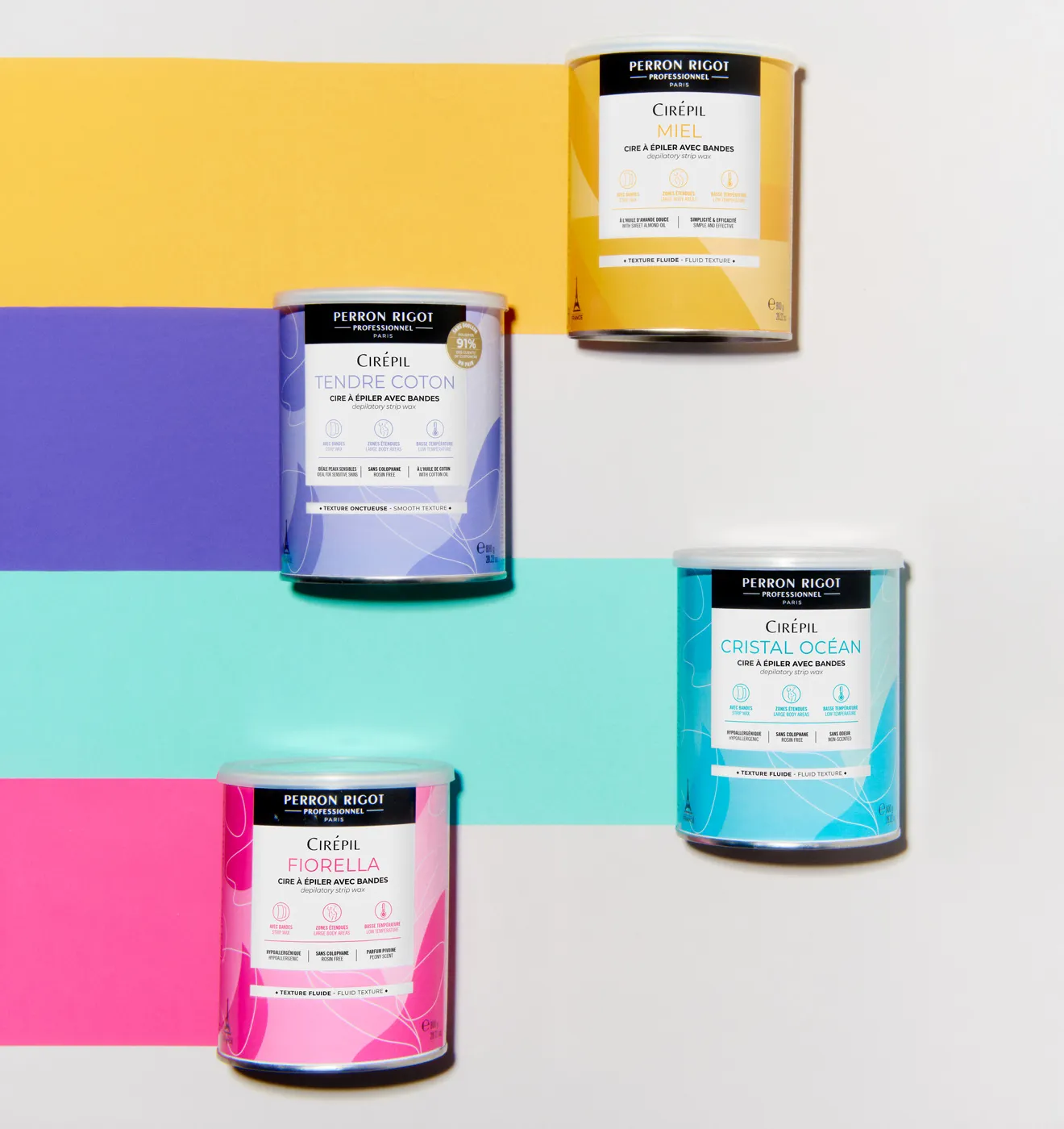
Waxing comes in several forms, depending on the type of wax and application method. It's generally divided into 3 categories:
- Hot Wax: The wax is warmed to just the right temperature and applied along the direction of hair growth. As it cools, it hardens and grips the hair firmly, then is pulled off quickly. This removes hair very thoroughly and is ideal for short or fine hair, such as underarms and the bikini line.
(Drawback: if heated too much, it can burn or irritate the skin)
- Cold Wax: Pre-made wax strips that are easy to use — simply peel off the backing, press onto the skin, and remove immediately. Ideal for at-home use since it's convenient and safer than hot wax, though it doesn't remove hair as thoroughly — short, fine hairs in particular may not be fully removed.
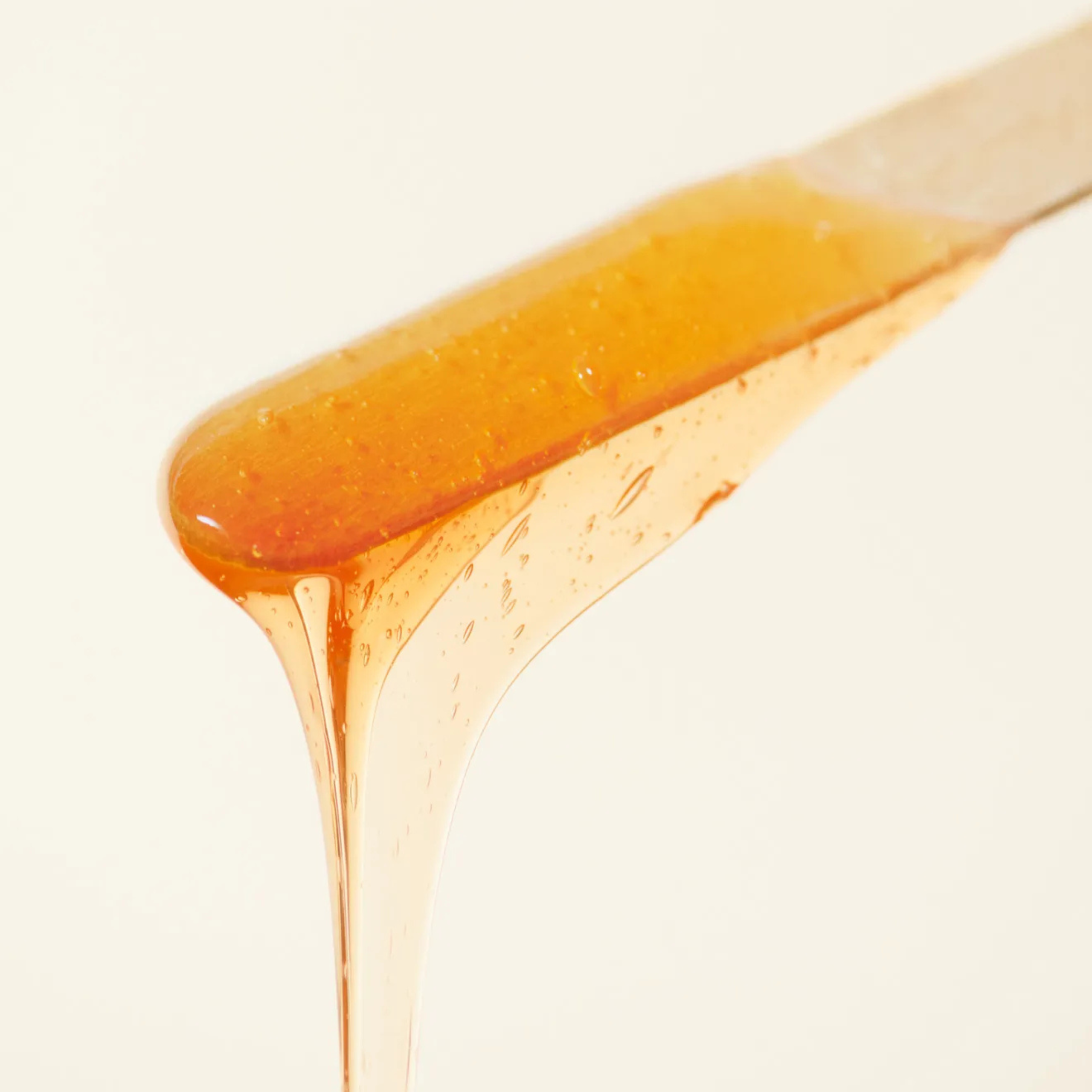
- Sugar Wax: Made from natural ingredients — sugar, lemon, and water. The sugar paste is sticky enough to remove hair just like regular wax, but feels less painful. Ideal for those who want a natural method, although results may not last as long as Cold Wax or Hot Wax.
How Should You Prepare Before Getting a Wax?
Good preparation leads to better results and less pain, so be sure to follow these steps:
- Let your hair grow to the right length: Stop shaving or plucking at least 2–3 weeks beforehand so hair reaches about 0.5–1 cm (roughly ¼ inch, or the length of a grain of rice). This length allows the wax to grip the hair properly, ensures it's pulled fully from the root, and reduces pain during the pull.
- Exfoliate gently: Lightly exfoliate the treatment area 1–2 days before waxing. This removes dead skin cells, reduces the risk of ingrown hairs, and makes hair easier to remove. Avoid overly aggressive scrubbing, though, to prevent skin abrasions.
- Avoid stimulants: Skip alcohol or caffeine before your appointment. Both can make your body more alert and your skin tenser and more sensitive, which increases the sensation of pain.
- Choose a quality provider: Choose a salon or clinic with proper standards, experienced staff, and clean, safe equipment for the best results and lowest risk.
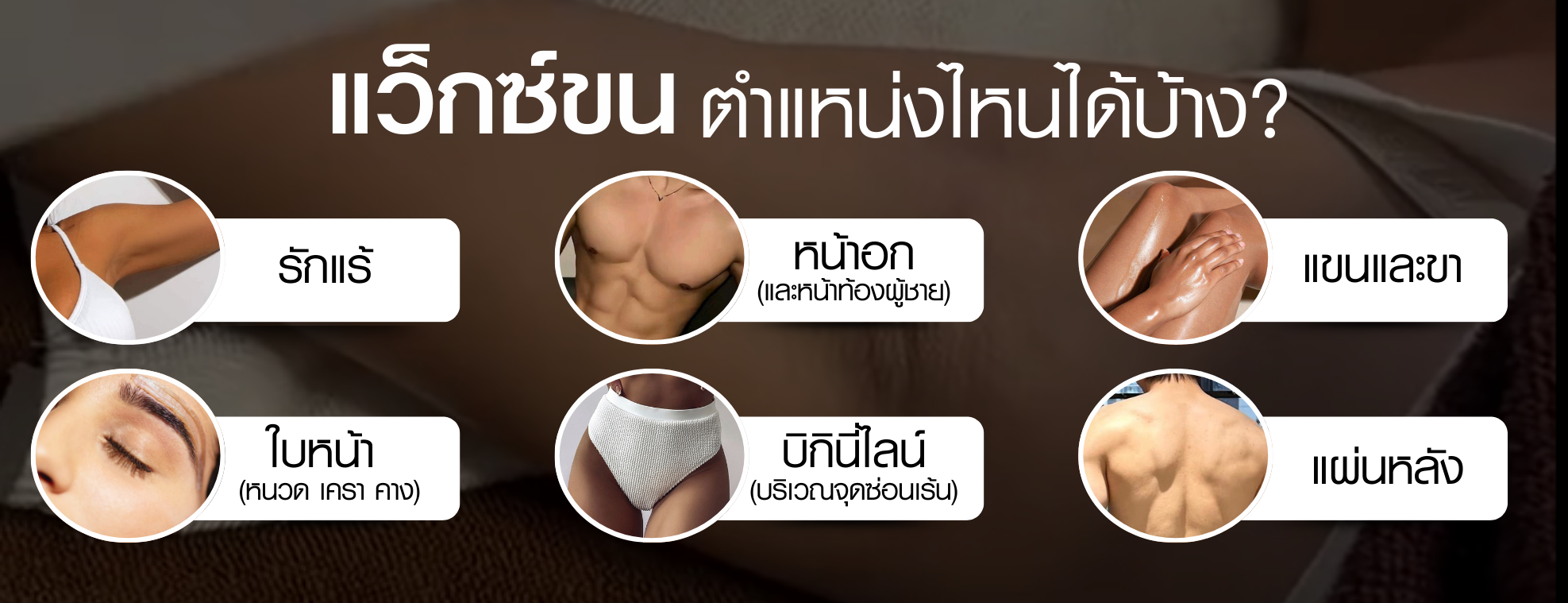
Which Body Areas Can Be Waxed?
Waxing can be done on many parts of the body, from areas with fine hair to thicker hair, including:
- Arms and legs: Removes hair from the legs and arms, leaving skin visibly smoother with fast, noticeable results
- Underarms: Removes underarm hair for a cleaner, tidier look (this area is prone to pain and sensitivity, so extra care is needed)
- Bikini line/intimate areas: Removes hair from intimate areas, supporting hygiene and confidence (skin here is extremely delicate and requires careful handling)
- Face (mustache, beard, chin): Removes select facial hair for smoother-looking skin (best left to a professional, since facial skin is delicate)
- Chest and stomach (for men): Removes upper-body hair for a cleaner, tidier appearance
- Back (for men): Removes thick back hair, boosting confidence and cleanliness
Caution: Delicate skin areas such as the underarms, intimate areas, and face carry a higher risk of irritation or ingrown hairs. If you have sensitive skin, you may want to consider an alternative such as laser hair removal, which offers more permanent results with less pain.
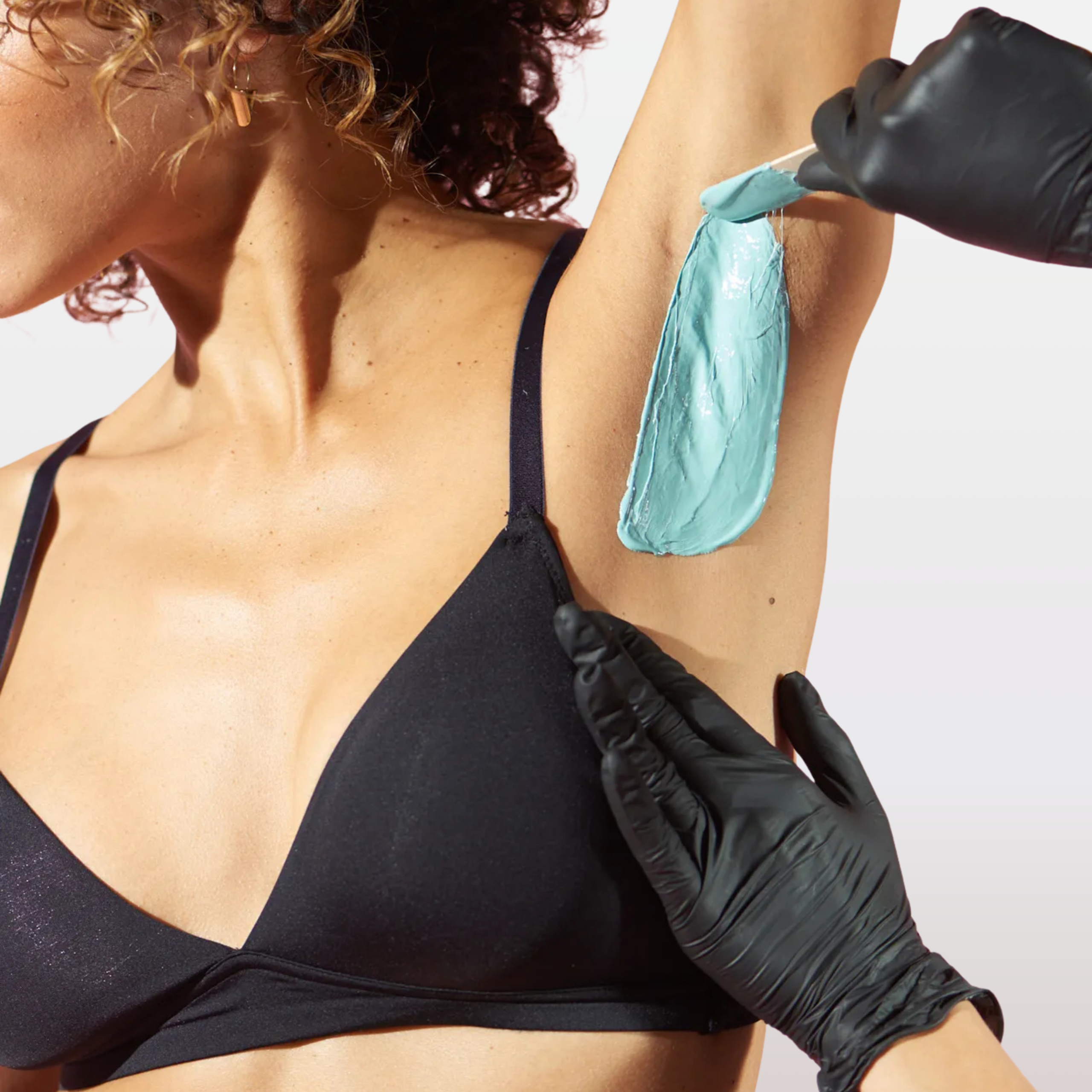
Who Is Waxing Best Suited For?
Waxing is ideal for anyone who wants temporary hair removal with fast, visible results. It's especially well-suited to:
- Those who want short-term results: If you want smooth skin without a long wait, since regrowth is slow
- Those whose hair grows back thick from shaving: If frequent shaving has made your hair grow back coarser, waxing offers a longer-lasting alternative
- Those on a budget: Waxing can be done at home affordably using ready-made kits
- Those who can tolerate some discomfort: Since waxing pulls hair out at the root, it involves mild to moderate pain in exchange for the results
- Those with resilient skin: Best suited to people with healthy skin who don't have a history of wax allergies or easy rashes
*Waxing is not recommended for those with highly sensitive skin, existing ingrown hairs or active acne breakouts, or anyone seeking permanent results (laser hair removal is a better fit in these cases).
Why Do Some People Get Ingrown Hairs After Waxing?
🔹 Ingrown hairs are the most common side effect after root-removal methods like waxing and plucking. While waxing keeps skin smooth for weeks, ingrown hairs can leave the skin with redness, bumps, or inflammation.
Here are the main reasons ingrown hairs happen after waxing, and the correct ways to prevent them:
1. Main Causes of Ingrown Hairs After Waxing
Ingrown hairs occur when newly regrown hair can't break through the skin's surface and instead curls and grows beneath it. This happens for a number of reasons:
🔹 1.1 Dead Skin Cell Buildup
This is the number one cause! After waxing, your body quickly produces new skin cells to seal the follicle. If you don't exfoliate regularly, dead skin cells thicken and clog the follicle opening, preventing newly regrown hair — which is usually finer than before — from breaking through, causing it to curl back under the skin instead.
🔹 1.2 Hair Type
People with curly or coarse hair face a higher risk of ingrown hairs, since the sharper hair tip is more likely to curl back into the skin compared to straight, soft hair.
🔹 1.3 Incorrect Waxing Technique
If the wax isn't pulled in the correct direction (for example, not pulled against the direction of hair growth, or pulled straight up instead of flat against the skin), hair may snap in the middle (breakage) rather than being pulled out at the root. When hair breaks mid-shaft, the remaining tip beneath the skin becomes blunt and stiff, making it much more likely to grow back into the skin.
✅ Pro tip: This problem is easily solved by choosing an experienced professional! A skilled technician uses a fast, correctly-angled pull that stays flat against the skin, ensuring hair is fully removed at the root and greatly reducing the chance of breakage that leads to ingrown hairs.
🔹 1.4 Friction from Clothing
Wearing tight or overly fitted clothing immediately after waxing causes ongoing friction against the treated area. This friction irritates the skin and can prevent hair from growing straight out, making ingrown hairs more likely.
| Step | Prevention Method | Why It Works |
|---|---|---|
| 1. Exfoliation | Gently exfoliate using a product containing AHA/BHA, or a loofah glove. Start 2–3 days after waxing (never immediately after) | Removes dead skin cells clogging the follicle opening, clearing the way for new hair to break through |
| 2. Moisturizing | Apply a gentle moisturizer or a formula designed for post-wax skin every day | Keeps skin soft and supple, preventing dryness that could block hair from growing out normally |
| 3. Avoid Friction | Wear loose, comfortable clothing for the first 2–3 days after waxing, especially over bikini or underarm areas | Reduces friction and irritation, which are common causes of inflammation and ingrown hairs |
| 4. Avoid Triggering Activities | Avoid hot showers, saunas, or intense exercise (heavy sweating) for the first 24–48 hours | Prevents follicle inflammation or infection while the skin is most vulnerable right after waxing |
WAXING STEPS PROCEDURE
Take Care Salon Of Beauty — Premium Waxing System
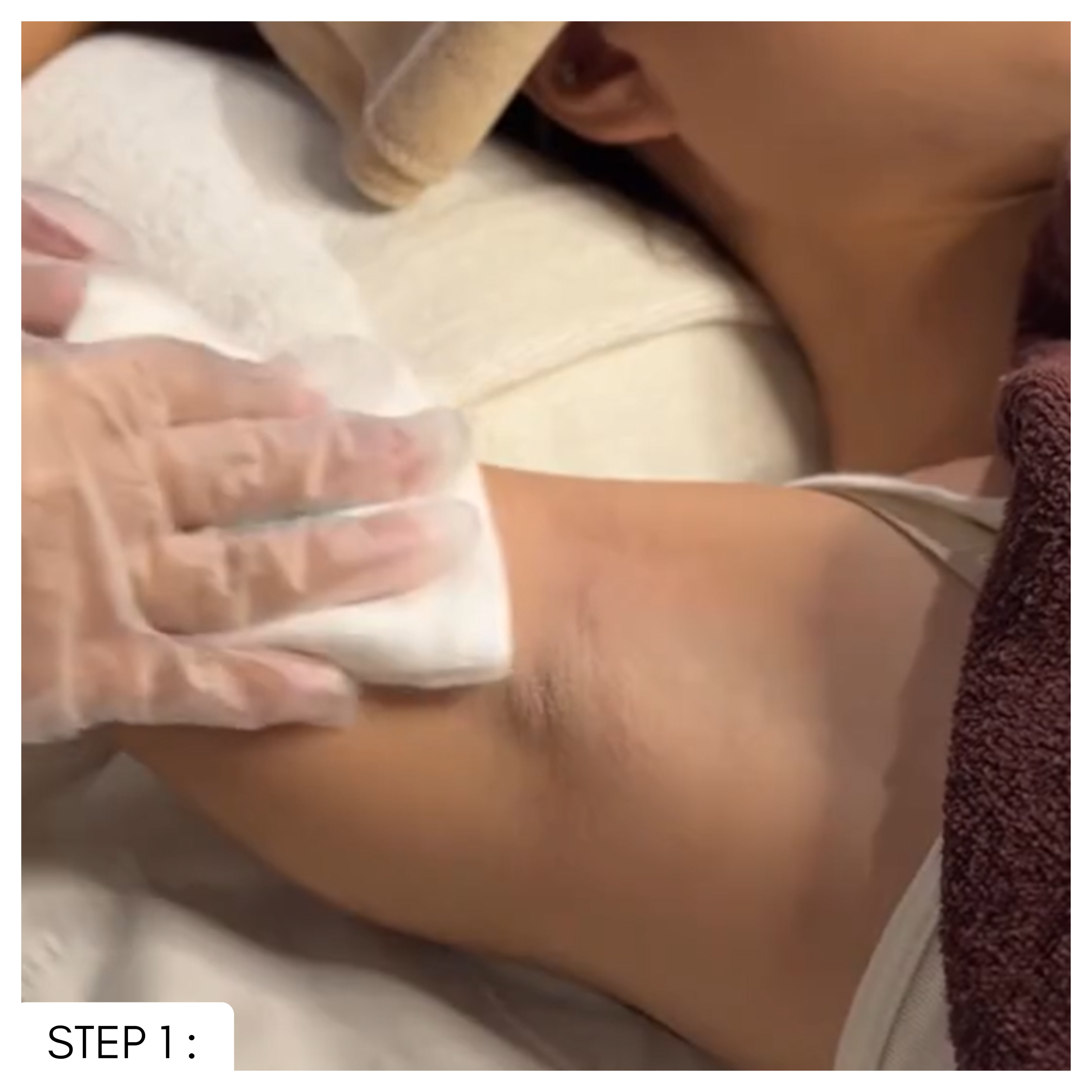
Cleanse the Skin
Wipe the treatment area to remove dirt, oil, or sweat, ensuring the skin is dry and clean so the wax can grip the hair more effectively.
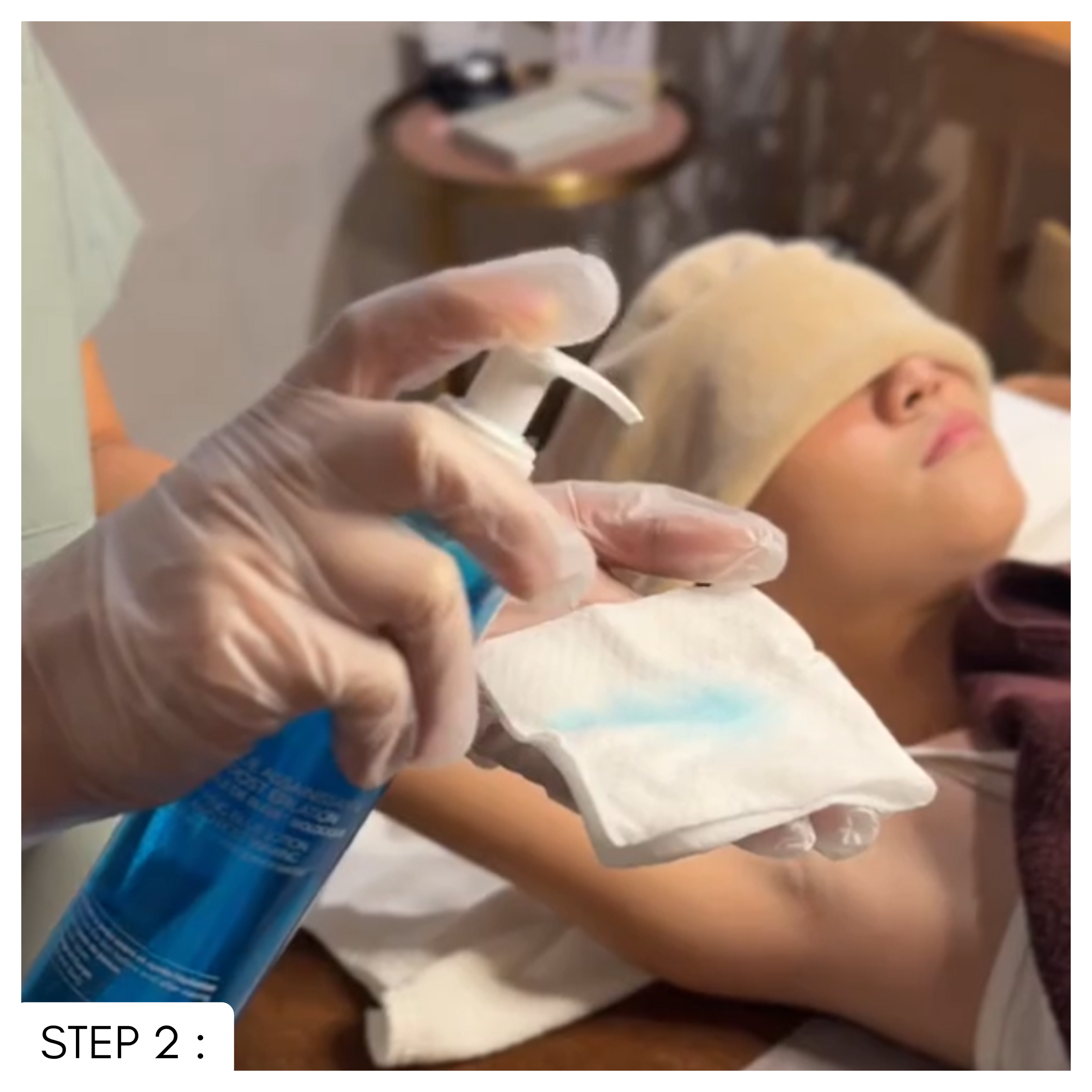
Pre-Wax Prep
Apply Blue Lotion thoroughly over the area to be waxed and let it dry completely. This step ensures maximum wax adhesion to the hair and reduces the risk of infection or skin irritation.
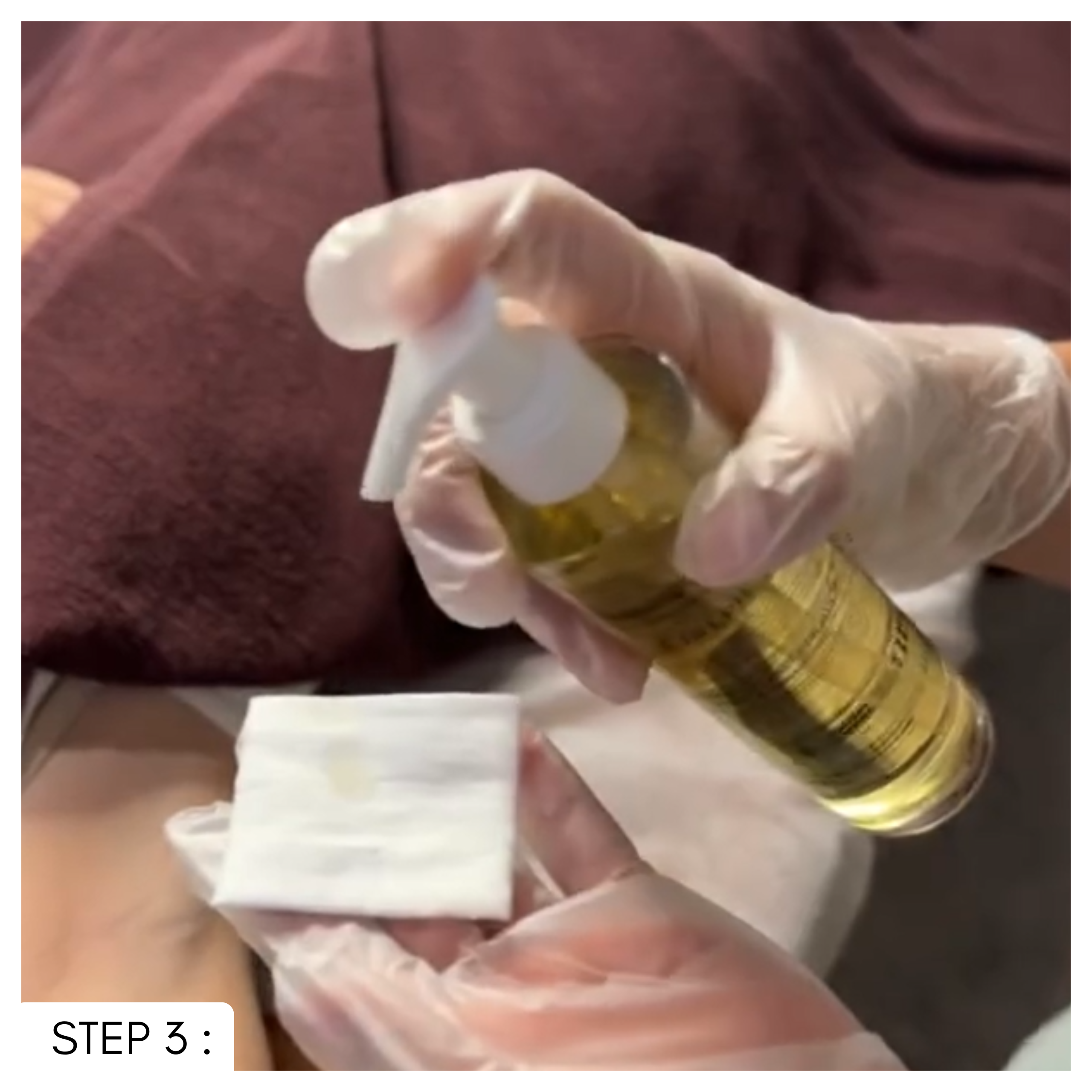
Apply Jasmine Oil
Applied to protect the skin, creating a thin barrier so the Hard Wax grips only the hair, not the skin. This step helps ensure safety and minimizes pain.
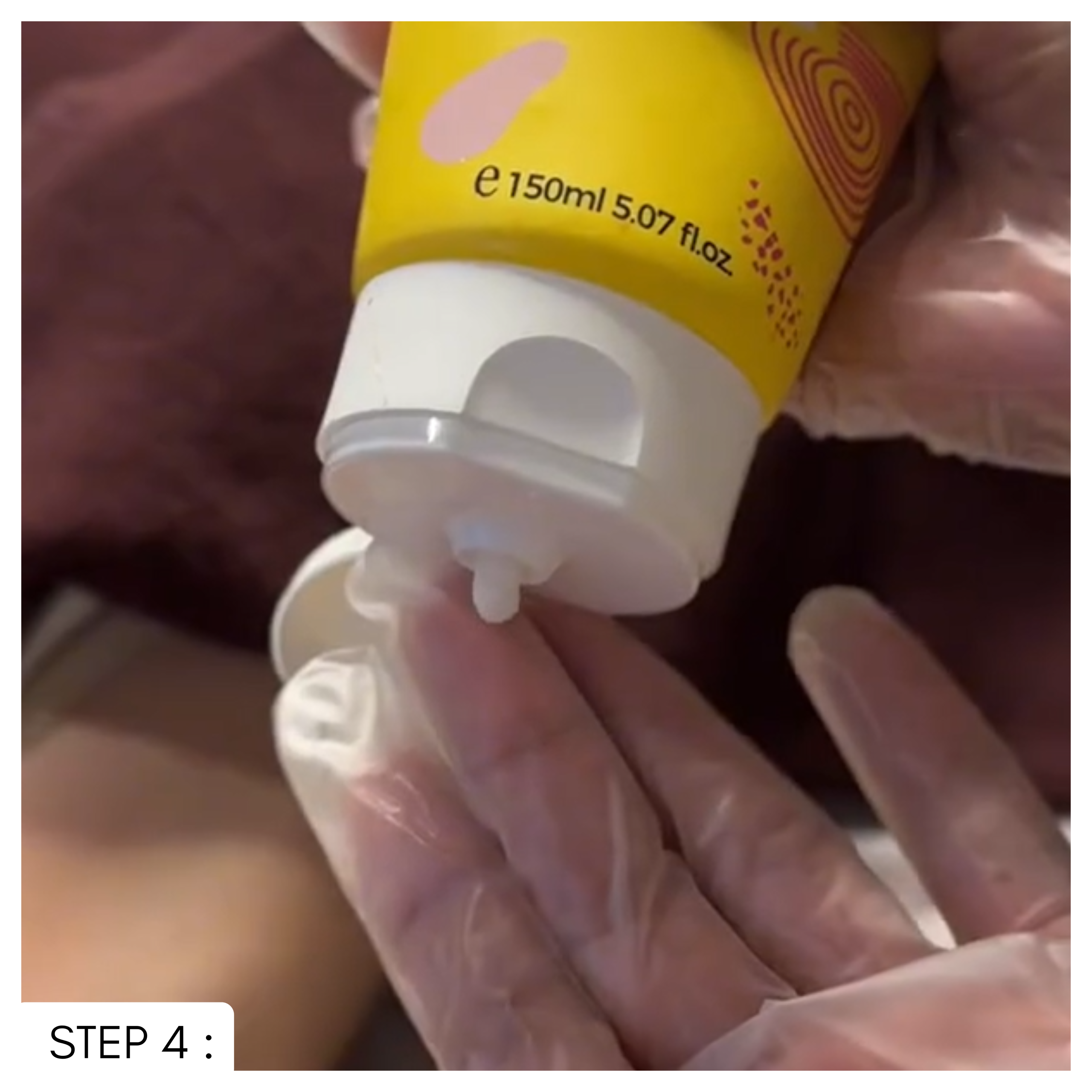
Ingrown Hair Care
Gently exfoliates to help the wax grip hair more effectively, reduces the chance of breakage, and helps release any ingrown hairs hiding beneath the skin.
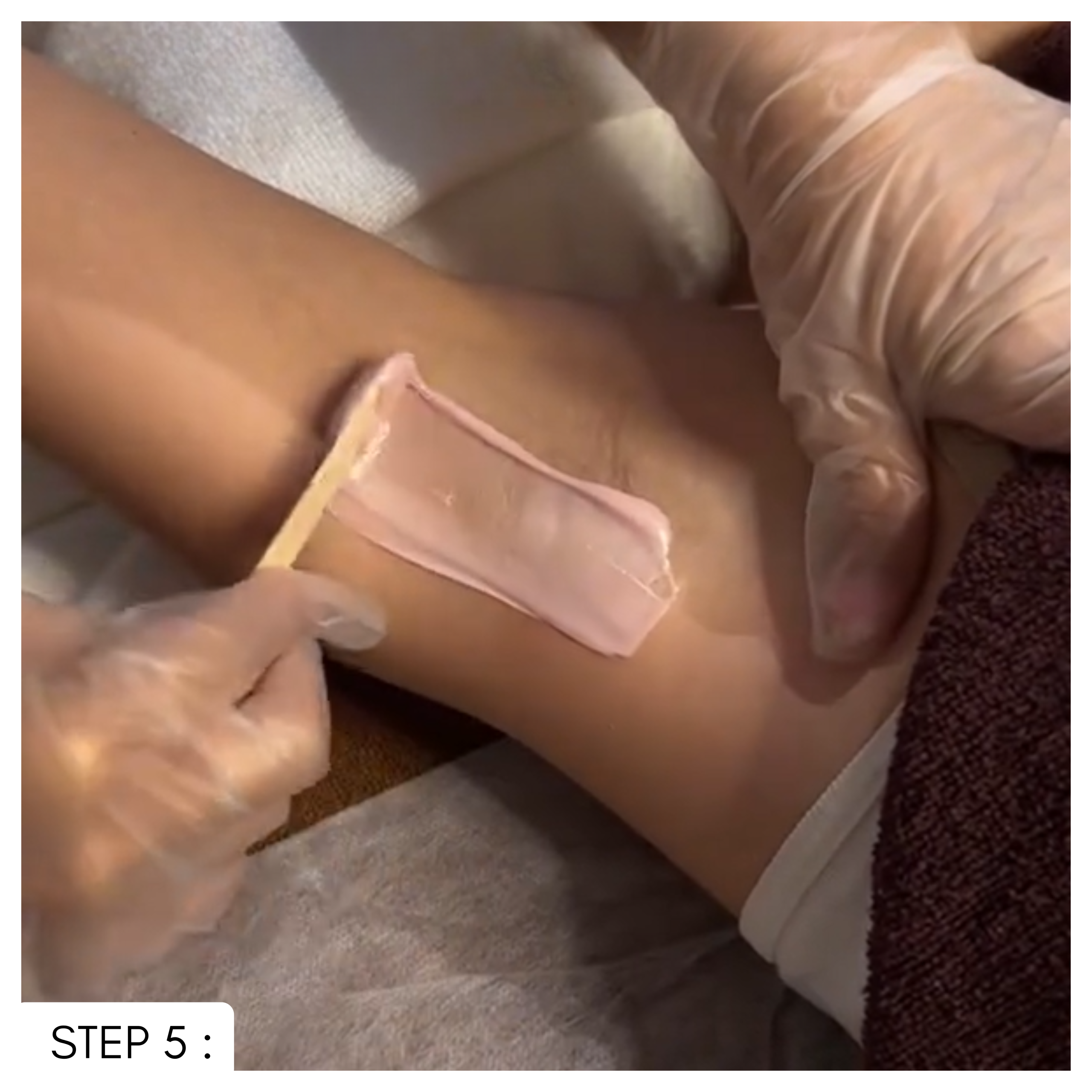
Waxing & Removal
Cirepil Hard Wax is applied along the direction of hair growth to build a thick edge, then left to set. It's then pulled off quickly against the direction of growth, kept flat against the skin.
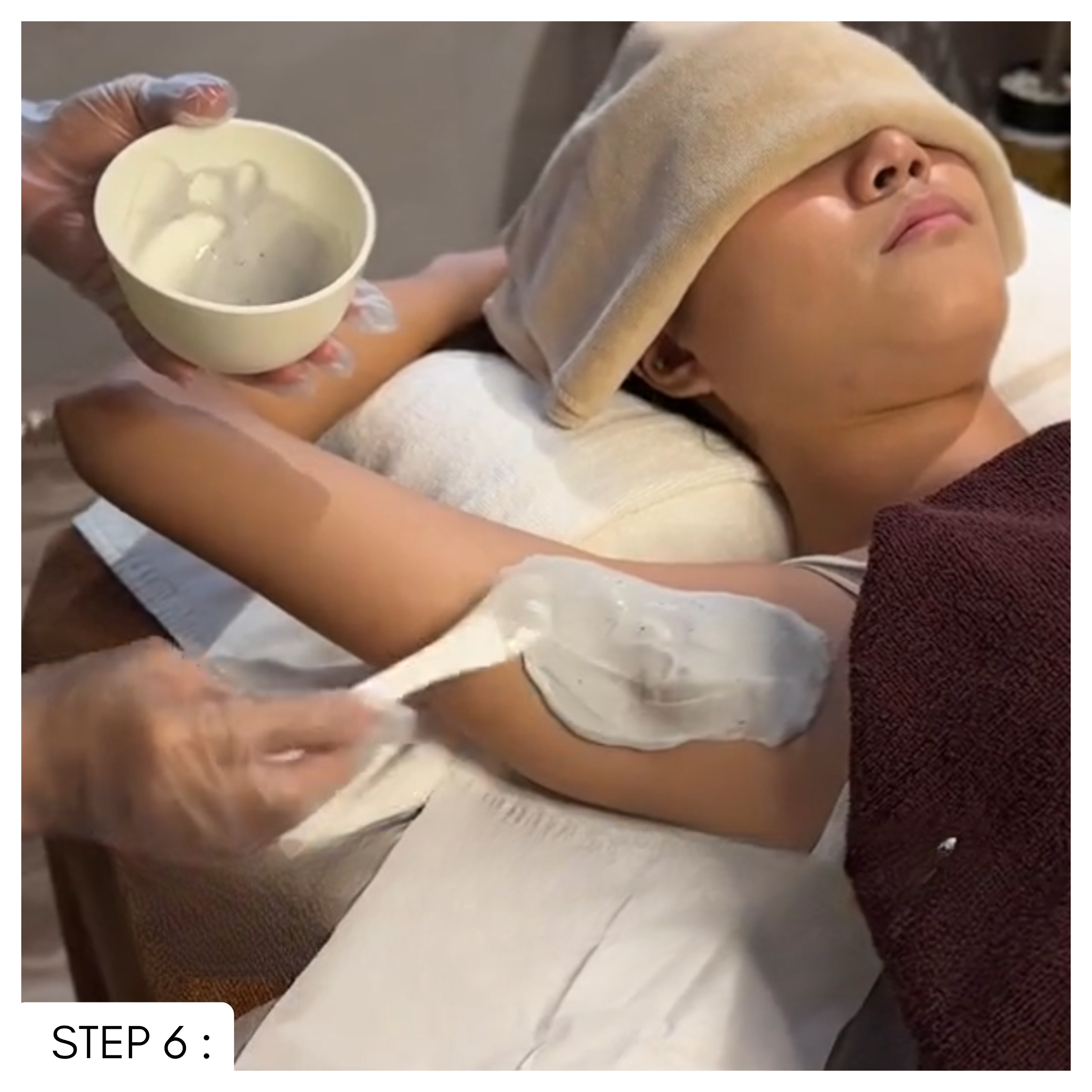
Soothing Jelly Mask
Reduces redness and soothes the skin. The mixed mask is applied and left for 15–30 minutes to cool and hydrate the skin, then peeled off in one sheet.
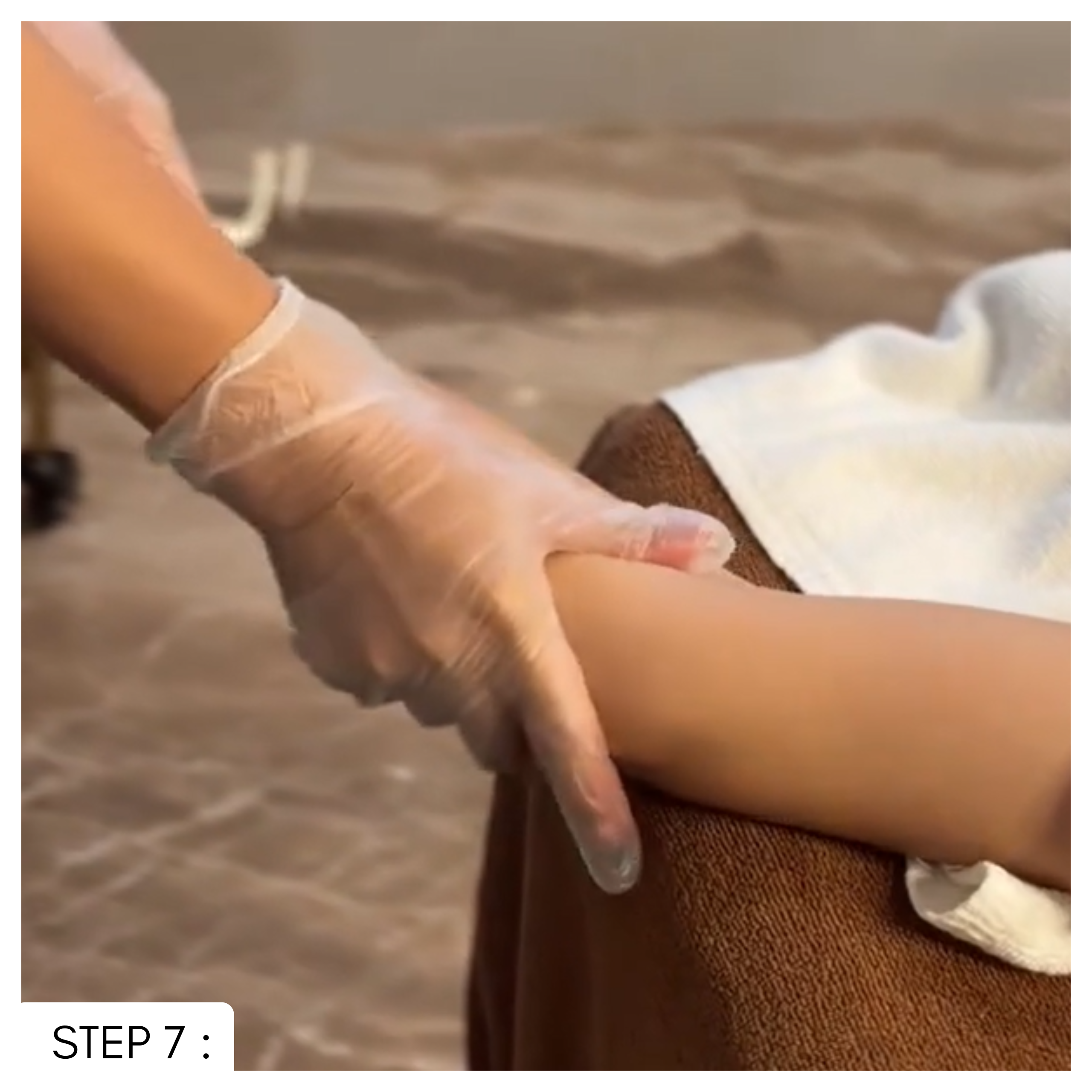
Relaxing Massage
A gentle massage helps the skin feel more comfortable and relaxed after the tension of hair removal.
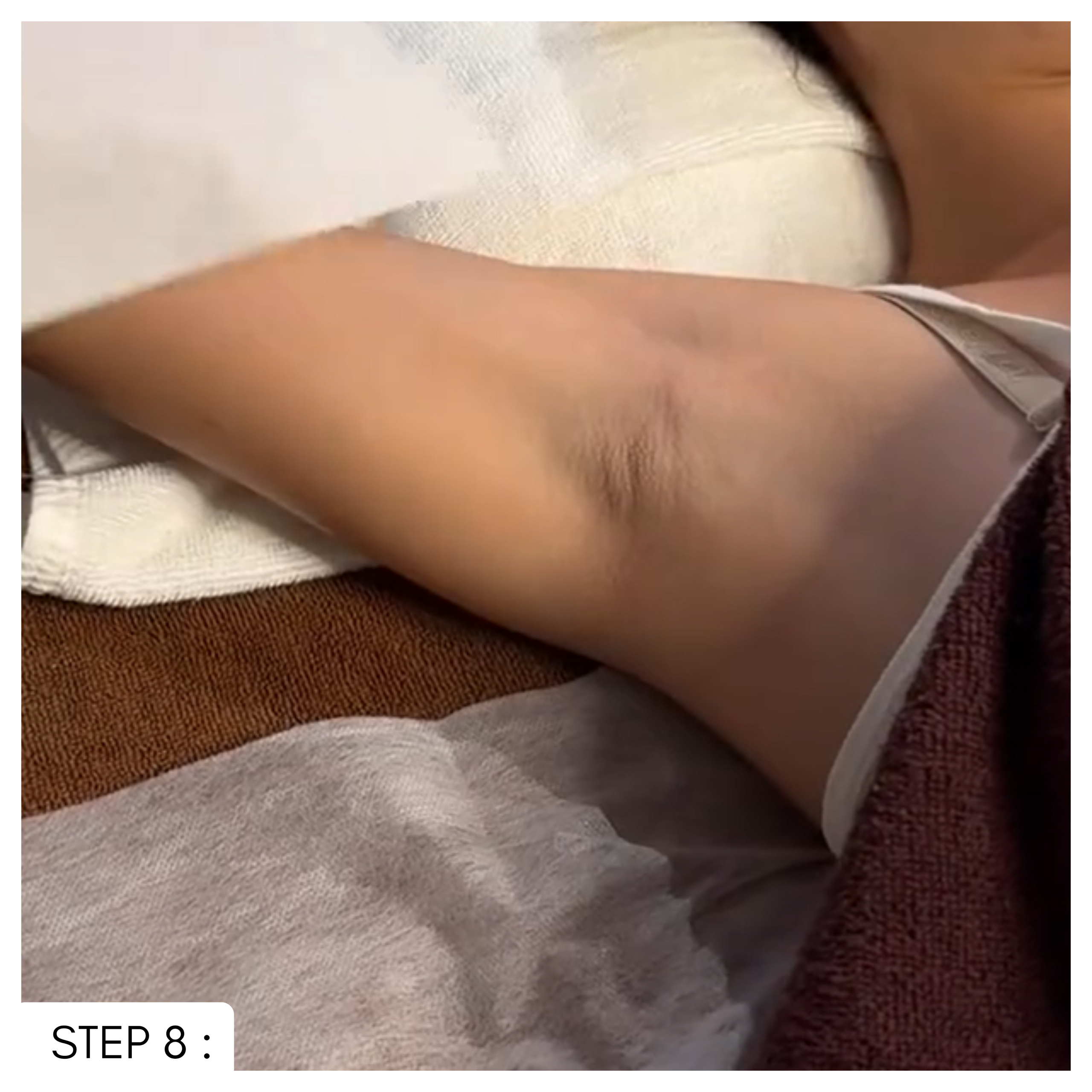
Final Cleanse
Blue Lotion is reapplied to dissolve and remove any remaining sticky wax residue, leaving the skin clean and non-sticky at the end of the treatment.
These steps are designed to be as safe and comfortable as possible, while still delivering the most thorough hair removal.
What Should You Avoid After Waxing?
After waxing, skin becomes delicate and prone to irritation, so it's best to avoid the following:
- Skip exfoliating for the first 24–48 hours: to prevent abrasion and inflammation
- Avoid heat: No hot showers, saunas, or direct sun exposure for at least 1–2 days, since heat and UV rays can increase irritation and may darken the skin
- Avoid intense exercise: to limit excessive sweat and friction, since trapped sweat can clog follicles and increase the risk of breakouts or ingrown hairs
- Avoid swimming or hot baths: to reduce the risk of inflammation or infection
- Don't wear tight clothing: loose clothing helps prevent friction from irritating the waxed area further
- Avoid irritating skincare products: steer clear of creams containing alcohol, fragrance, harsh chemicals, or other potentially irritating ingredients
- Moisturize with a gentle formula: apply a gentle or sensitive-skin moisturizer to reduce inflammation and keep skin hydrated
- Exfoliate gently after 2–3 days: once the first 48 hours have passed, gently exfoliate with a mild formula to help prevent ingrown hairs
Frequently Asked Questions (FAQ)
BOOK YOUR APPOINTMENT
Unlock your skin's inner glow with our professional premium waxing treatment.

Leave a Reply