



Chronic Back Pain: Causes, Symptoms & Treatment (2026 Guide)
Chronic Back Pain (2026 Guide): Causes, Symptoms & Complete Treatment Options — When It's Just Muscle Strain vs. When to See a Doctor
Been in pain for months, taken painkillers, tried self-massage — but the relief never lasts? You might be treating the wrong problem.
Chronic back pain is one of the most common health complaints among working adults, yet most people never find out exactly what's causing it — is it simple muscle inflammation, poor posture, or a sign of something more serious hiding underneath? In this guide, the team at Take Care Salon of Beauty breaks down the medical research and therapist-backed advice into plain language, along with practical solutions you can try at home and professional massage therapy options available at our spa.
What Is Chronic Back Pain, and How Is It Different From Ordinary Back Pain?
The U.S. National Institutes of Health (NIH) defines chronic low back pain as pain that persists for at least 3 months and occurs on at least half of the days over the past 6 months — distinct from acute back pain, which typically resolves on its own within a few weeks.
The World Health Organization (WHO) reports that low back pain is the most common musculoskeletal condition worldwide, affecting roughly 4–33% of the population at any given time, and is the single leading cause of disability globally in terms of years lived with disability. Data from the U.S. National Center for Health Statistics shows that as many as 80% of people will experience back pain at least once in their lifetime, and the proportion of cases that become chronic appears to be rising across all age groups.
- Acute back pain: Lasts no more than 4–6 weeks, usually from improper lifting or a sudden muscle strain, and typically improves on its own with rest and proper care.
- Subacute back pain: Continues for 6–12 weeks and begins to interfere with daily life.
- Chronic back pain: Persists for more than 3 months, occurring on more than half the days over a 6-month period — usually requiring a combination of treatment approaches.
What Causes Chronic Back Pain?
Before choosing a treatment, it's important to understand what's actually causing your back pain — because different causes call for different care strategies.

1. Muscle Inflammation & Myofascial Pain Syndrome
This is by far the most common cause of chronic back pain from muscle inflammation in working adults. Clinical sources describe this condition as inflammation within the muscle and its surrounding fascia, forming "trigger points" — tight, tender knots within the muscle band that produce referred pain when pressed. It's typically caused by repetitive use of the same muscle group, prolonged sitting in one position, or cumulative strain from poor posture.

2. Prolonged Sitting and Poor Ergonomic Posture
Research on myofascial pain syndrome consistently points to prolonged poor sitting posture — slouching, crossing legs habitually, or sitting at a desk without proper chair height — as a major trigger. These habits force the lower back and shoulder blade muscles to work abnormally hard, causing sustained muscle tightness that develops into chronic trigger points over time.

3. Degenerative Disc Disease (Age- or Use-Related)
Spine research indicates that more than half of low back pain cases involve some form of disc pathology, particularly Degenerative Disc Disease — where the discs lose water content, the internal tissue structure deteriorates, and in later stages may bulge and press on nearby nerves. This condition tends to become more common with age and cumulative strain on the back.

4. Accumulated Stress and Poor Sleep Quality
Many people overlook the psychological side, but myofascial specialists have clearly shown that emotional stress can manifest as physical tightness in the back and shoulders — particularly the trapezius muscle, one of the most common sites for trigger points. Insufficient or poor-quality sleep is another factor that can make existing pain worse.
Back Pain That Won't Go Away: What Underlying Conditions Should You Consider?
In most cases, back pain stems from harmless muscular or structural causes — but occasionally, chronic back pain can be a sign of an underlying condition that needs proper medical diagnosis.
| Symptom Pattern | Possible Underlying Condition |
|---|---|
| Pain radiating down the leg with numbness or weakness | Nerve compression, e.g. a herniated disc pressing on a nerve |
| Deep, dull pain in a muscle band with tender spots | Myofascial Pain Syndrome |
| Worse with standing or walking, relieved by bending forward | Spinal stenosis |
| Pain at night, worse lying flat, not relieved by rest | Warrants further medical evaluation |
| Pain combined with unexplained weight loss and unusual fatigue | Should see a doctor for in-depth evaluation |
Is Chronic Back Pain Related to Cancer?
This is a common worry for people whose back pain won't resolve. Medical literature consistently shows that back pain caused by cancer is very rare. A medical literature review of back pain cases found that only about 0.1–1.6% were ultimately linked to malignancy. That said, cancer-related pain tends to have distinctive characteristics that differ from ordinary muscular pain, so it's worth watching closely for the following "red flag" warning signs.
- Unintentional weight loss (more than 10% of body weight within a few months)
- Back pain that wakes you at night, or worsens when lying flat
- Unusual fatigue even after adequate rest
- A lump or unusual mass that doesn't go away
- Pain that keeps getting worse instead of improving over time
- A history of cancer or a weakened immune system
- Loss of bladder or bowel control combined with numbness in both legs (seek emergency care immediately)
*If you have any of the warning signs above, consult a doctor for a thorough diagnosis first — do not attempt to self-diagnose or self-treat. The massage and self-care advice in this article is intended for back pain of muscular and postural origin.
How to Treat Chronic Back Pain: 10 Self-Care Tips You Can Start at Home
For back pain rooted in muscle and posture, adjusting your daily habits is the most important first step. Check which of these you're already doing — and which ones you're missing.
-
1. Stand up and stretch every 45–60 minutes
Staying in the same seated position for too long is the primary trigger for back muscle trigger points. Set a reminder to get up and stretch briefly every hour to significantly reduce accumulated tension. -
2. Adjust your chair and monitor height for proper ergonomics
Set your elbows at a 90-degree angle, keep your full back against the chair backrest, and position your monitor at eye level to reduce the daily strain on your lower back and shoulder muscles. -
3. Gently stretch your back and hips before bed
Simple stretches like Cat-Cow or knee-to-chest pulls help release the lower back tension that builds up over the course of the day. -
4. Use heat for chronic tightness, cold for acute inflammation
Heat increases blood flow and relaxes chronically tight muscles, while cold is best applied within the first 24–48 hours after an acute injury to reduce inflammation. -
5. Strengthen your core muscles
Strong abdominal and deep back muscles support the spine, reducing the load on upper back muscles that are often overworked and become inflamed. -
6. Choose a sleeping position that supports spinal alignment
Side sleepers can place a pillow between the knees to keep the hips aligned, while back sleepers may benefit from a pillow under the knees to reduce lower back pressure. -
7. Lift with your knees, not your back
Bending at the waist to lift heavy objects is one of the leading causes of acute back muscle injury. Bend your knees and use your leg muscles to lift instead. -
8. Manage stress with deep breathing or short meditation
Since emotional stress directly affects shoulder and back muscle tension, mental relaxation is an often-overlooked part of proper muscle care. -
9. Maintain a healthy body weight
Excess body weight, especially around the waist, adds direct pressure to the lower spine and discs. -
10. Get 7–8 hours of sleep per night
Insufficient sleep prevents muscles from fully recovering, and can make existing trigger points worse.
*If you've tried these 10 habit changes and your pain still isn't improving — or it's chronic enough to interfere with daily life — it may be time to bring in professional massage therapy.
When Home Remedies Aren't Enough: Professional Massage Therapy at Take Care
A systematic review by the Cochrane Collaboration — one of the most trusted sources in evidence-based medicine — concluded that massage therapy can reduce pain in chronic low back pain patients more effectively than rest alone or certain forms of standard physical therapy in some cases, particularly when combined with exercise and behavioral changes, with benefits lasting up to a year after treatment ends. At Take Care Salon of Beauty, we offer massage options specifically designed to match different types of back pain.
1. Professional Sport & Deep Tissue Massage
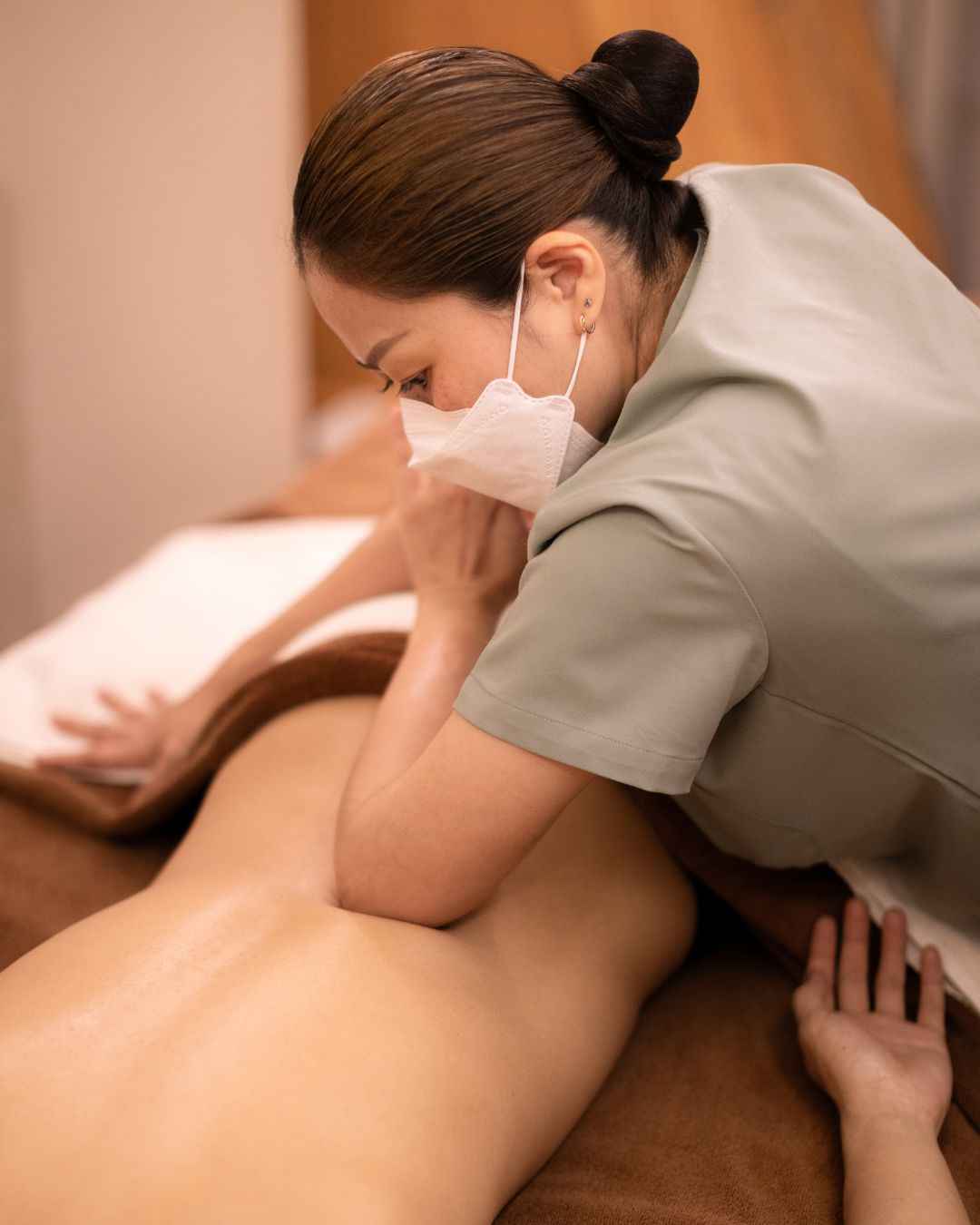
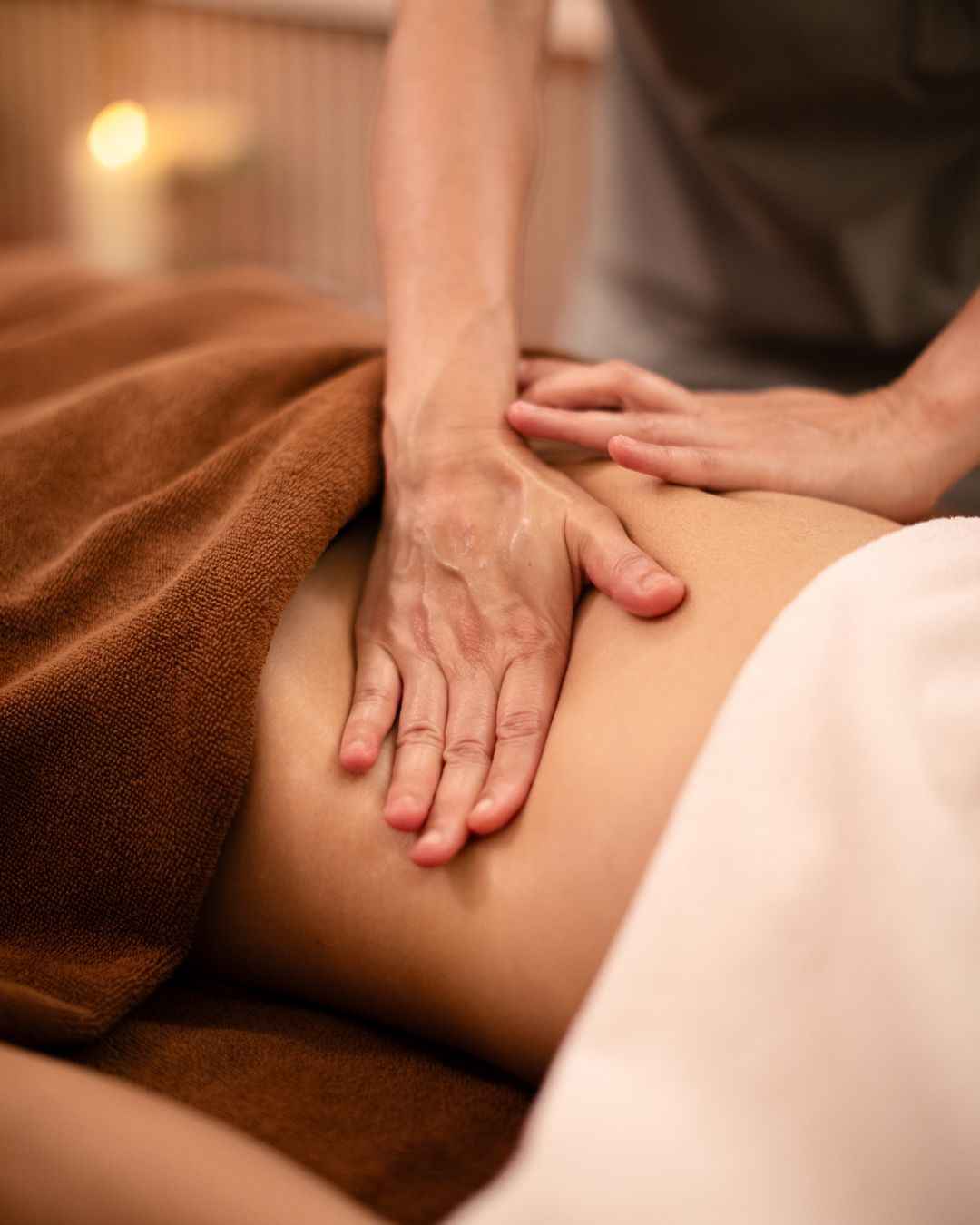
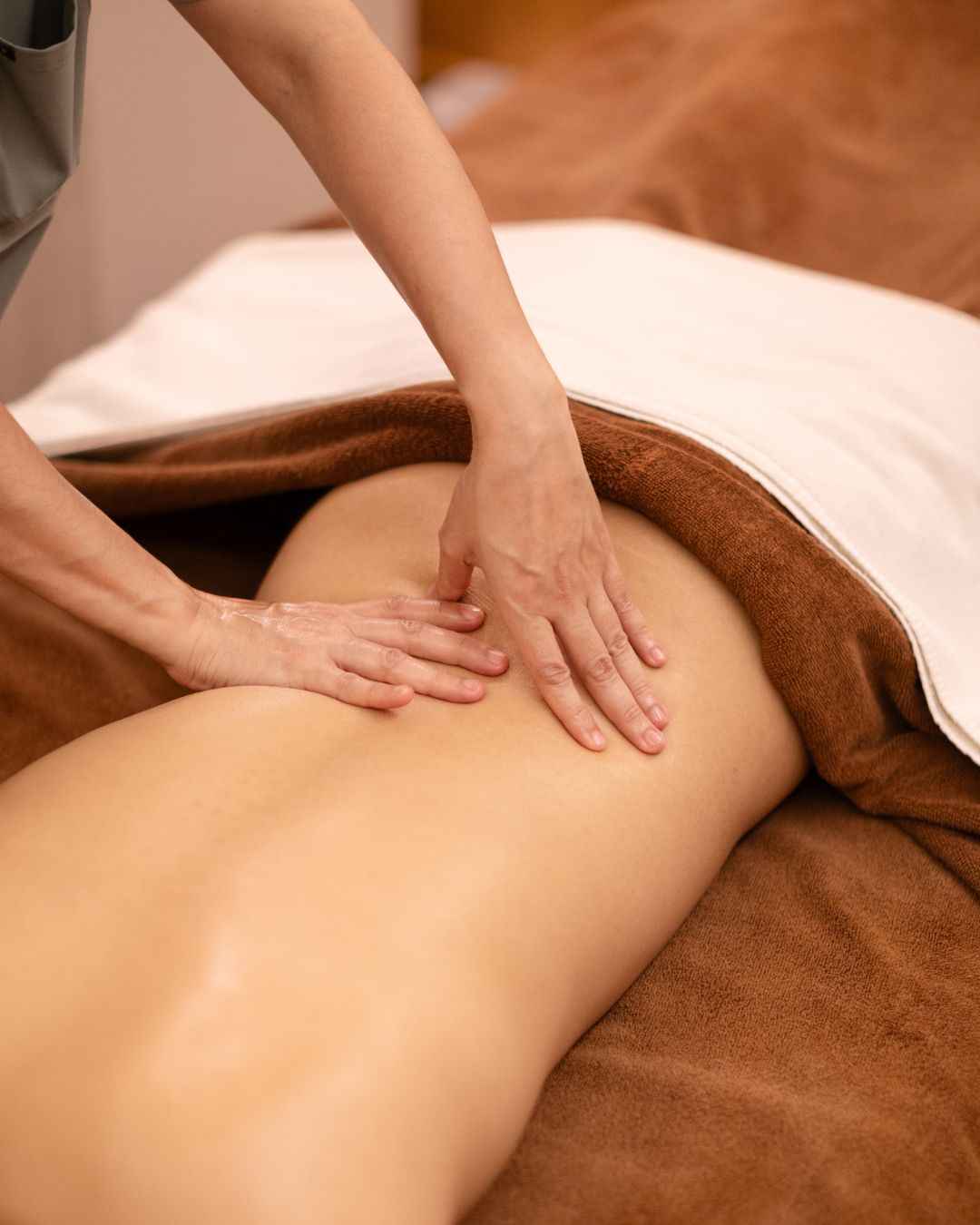
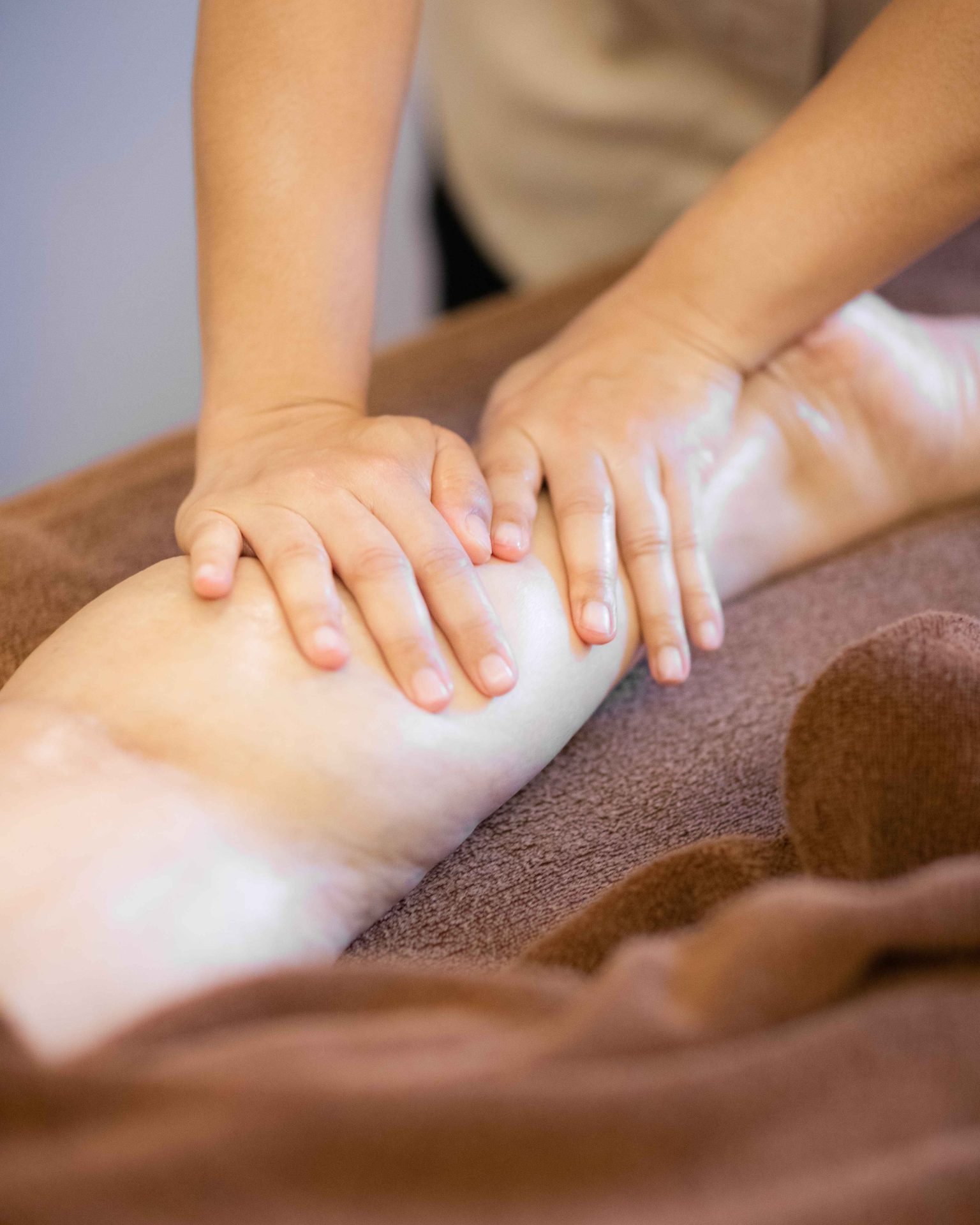
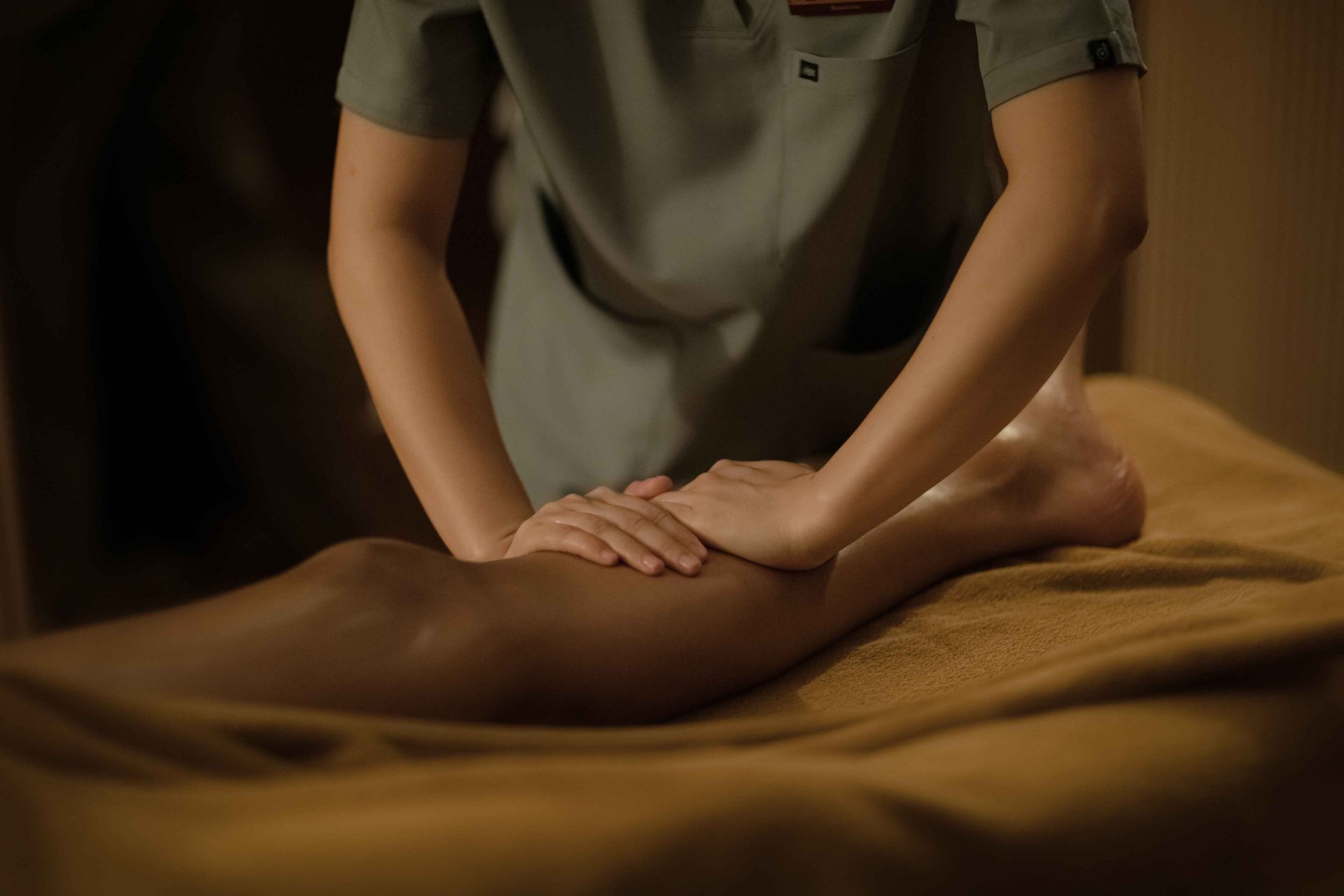
Ideal for those with chronic back pain caused by muscle inflammation and clear trigger points. Our therapists use deep tissue kneading techniques that reach deep into the muscle layers to release tight, tense knots, boost blood flow to inflamed areas, and relieve chronic tension from long hours at a desk or intense physical activity.
Best for: Office workers who sit for long hours and regularly experience lower back pain; athletes and fitness enthusiasts with chronic muscle fatigue and tightness.
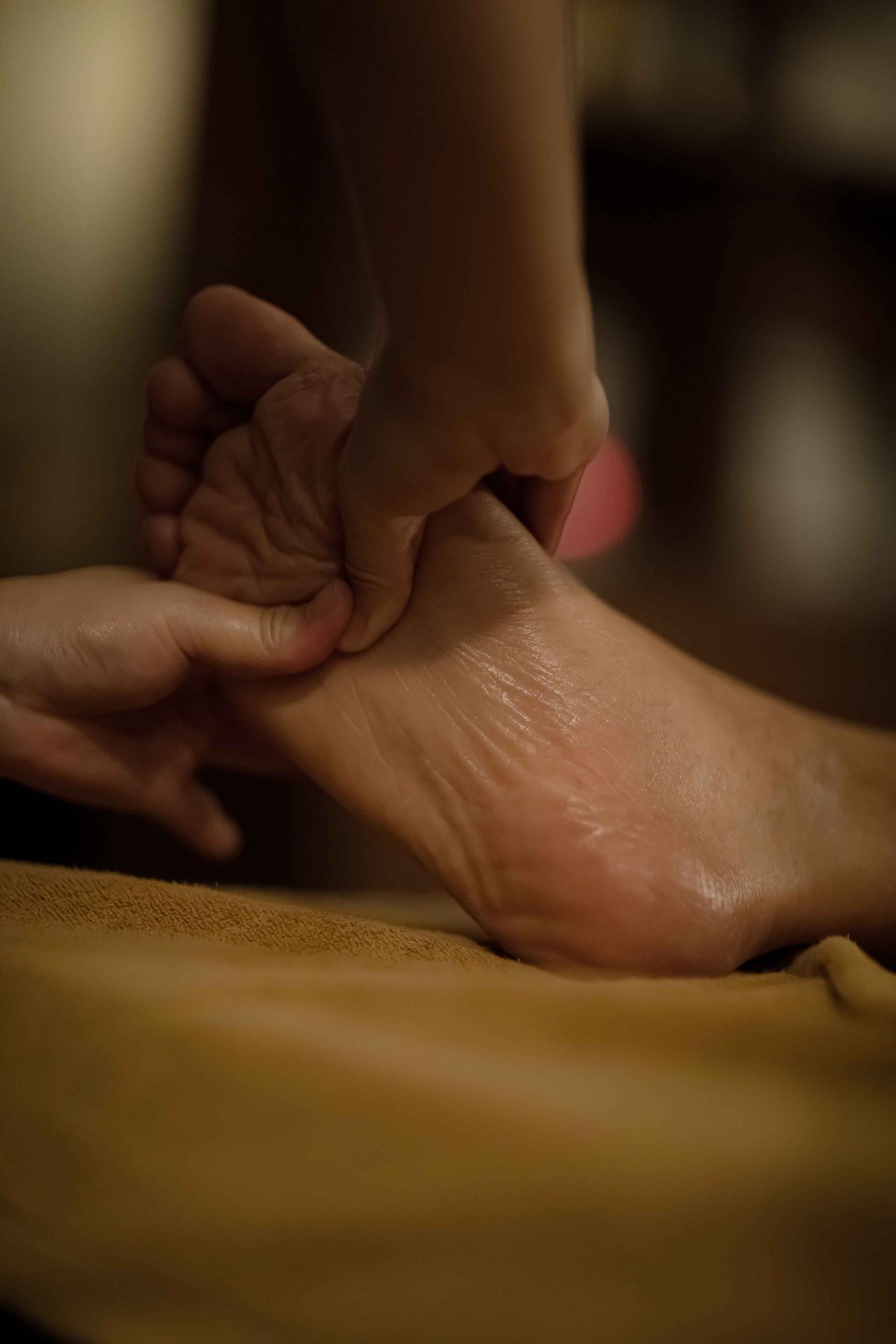
2. Foot, Shoulder & Leg Massage
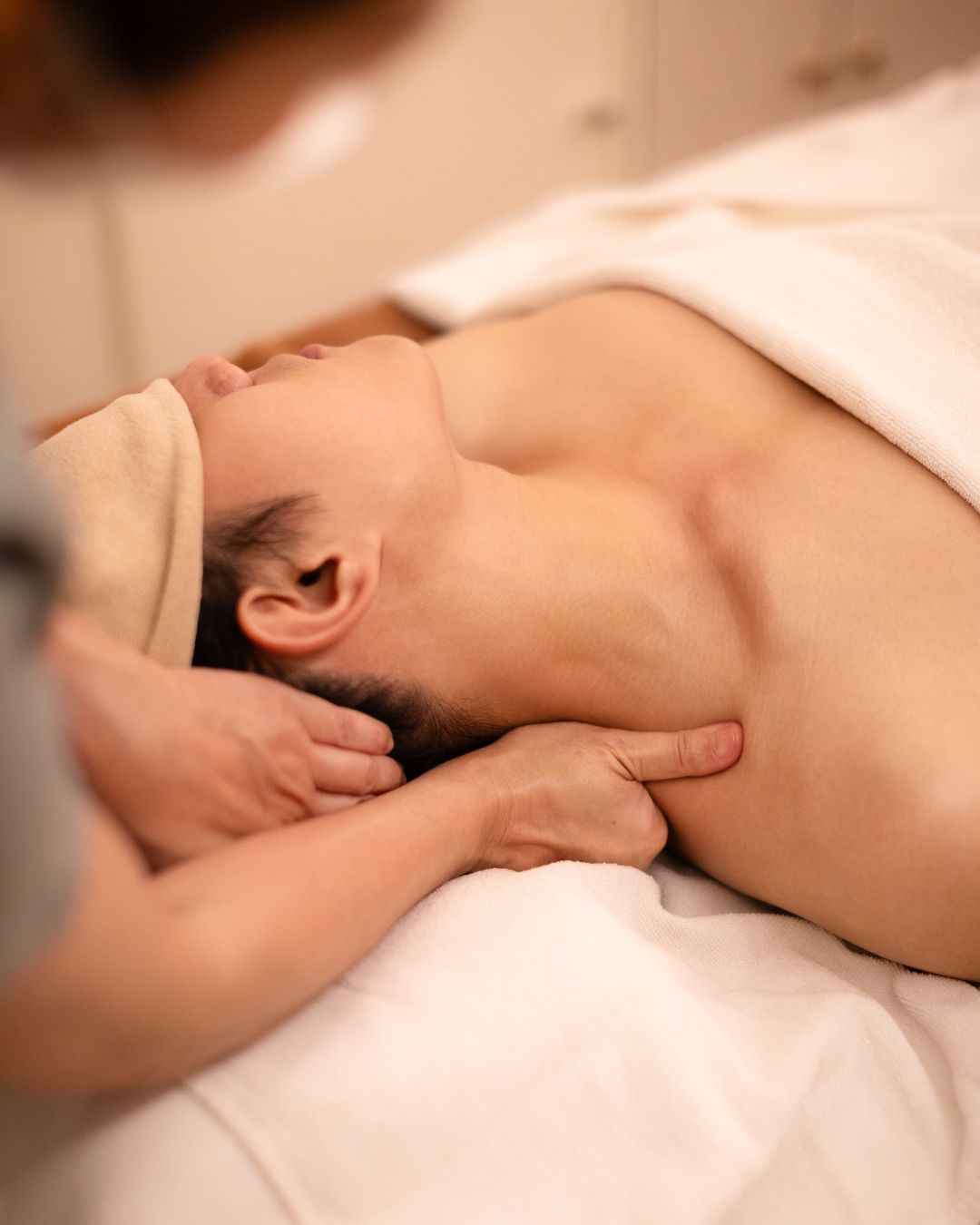
Upper back pain often extends into the shoulders and neck, since the trapezius muscle is one of the most common sites for trigger points according to myofascial medicine. This service focuses on releasing tension in the shoulders, upper back, and legs — muscle groups directly connected to the upper back — helping relieve referred pain and cumulative fatigue throughout the body.
3. Thai Herbal Steam Therapy (Pre-Massage)
Heat increases blood flow to chronically tight muscles and makes muscle tissue more pliable before massage. Take Care's herbal steam uses a traditional wooden steam cabinet with authentic Thai herbs, opening the pores and loosening back muscles so they're fully prepared for effective trigger-point release during your massage.




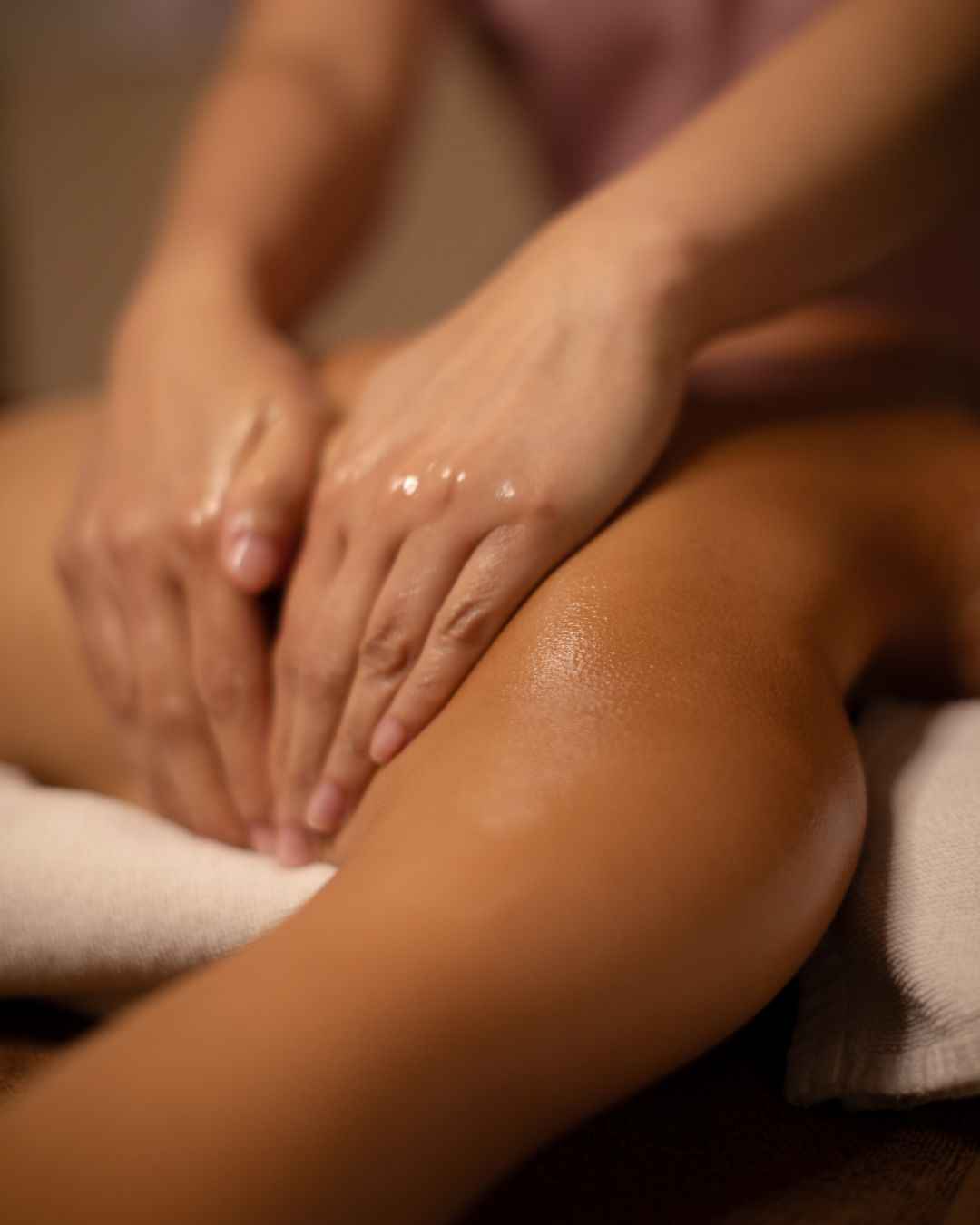
4. "Rose Your Day" Aroma Oil Massage
Designed specifically for back pain rooted in accumulated stress, this program pairs relaxing aromatherapy oil massage with a full body scrub, helping ease the emotional tension that's a known trigger for shoulder and back muscle tightness — while leaving your skin soft and nourished at the same time.
 Rose Signature
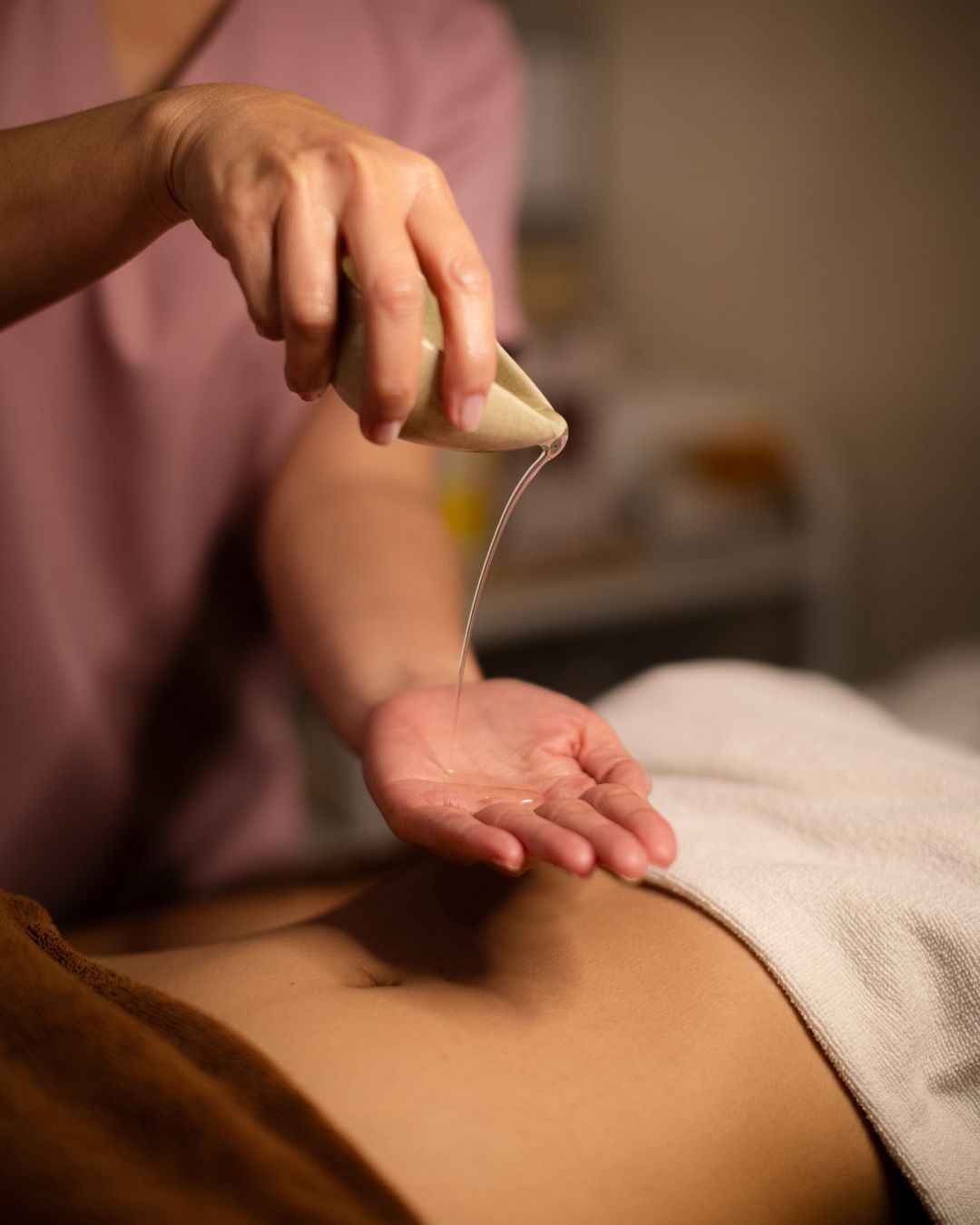


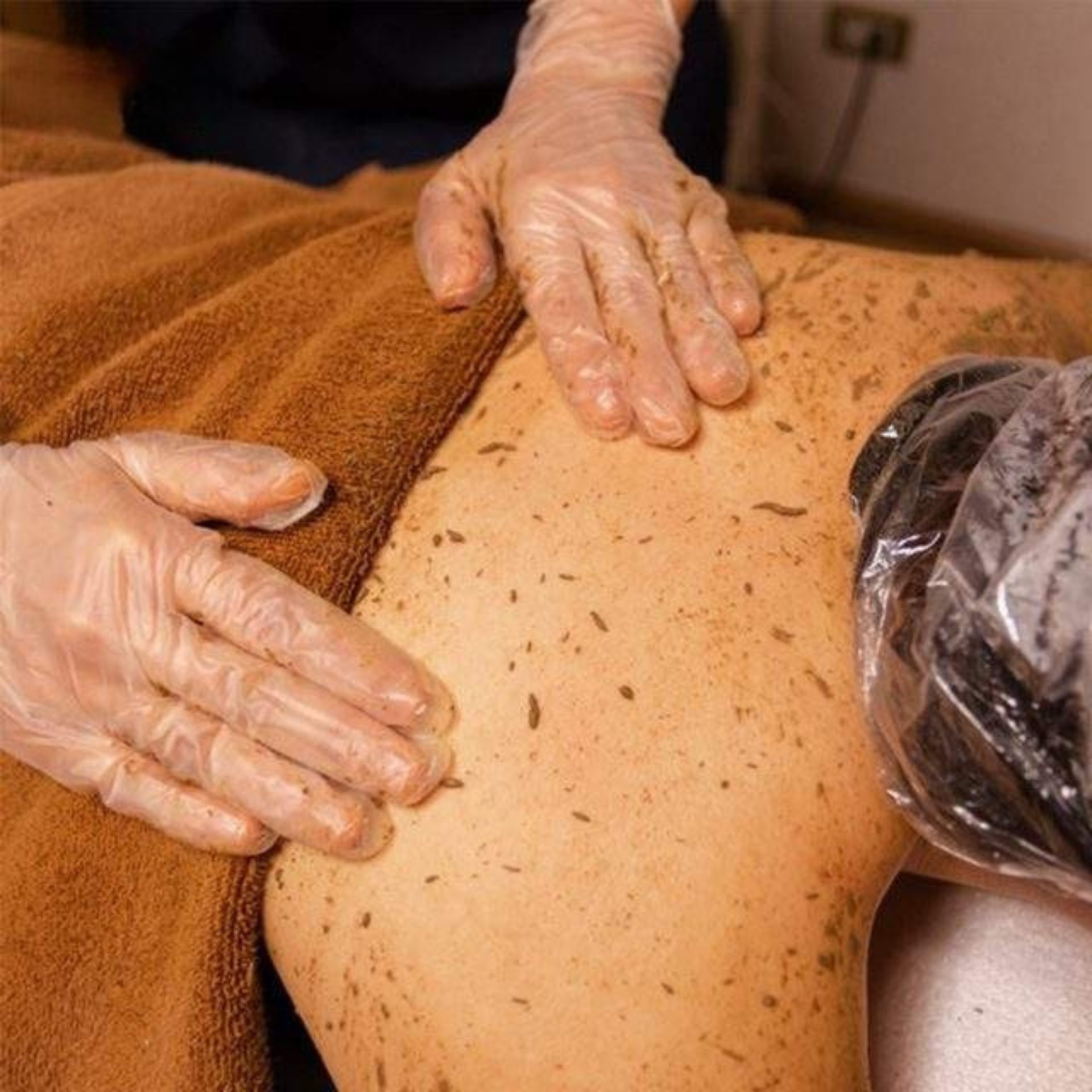
@takecare_beauty Unwind from stress and tension with the Rose Your Day aroma oil program — rest your body and release tightness at the same time, only at Take Care Salon of Beauty. #relaxingmassage #aromamassage #takecarebeauty ♬ Original sound - Take Care Salon Of Beauty
5. Indian Head Massage — For Upper Back Pain That Radiates to the Neck and Shoulders
For those whose upper back pain has spread into neck tension and tension headaches, Indian Head Massage is a great fit. It targets the neck, shoulders, upper back, and scalp all at once — muscle groups directly connected to upper-back trigger points.
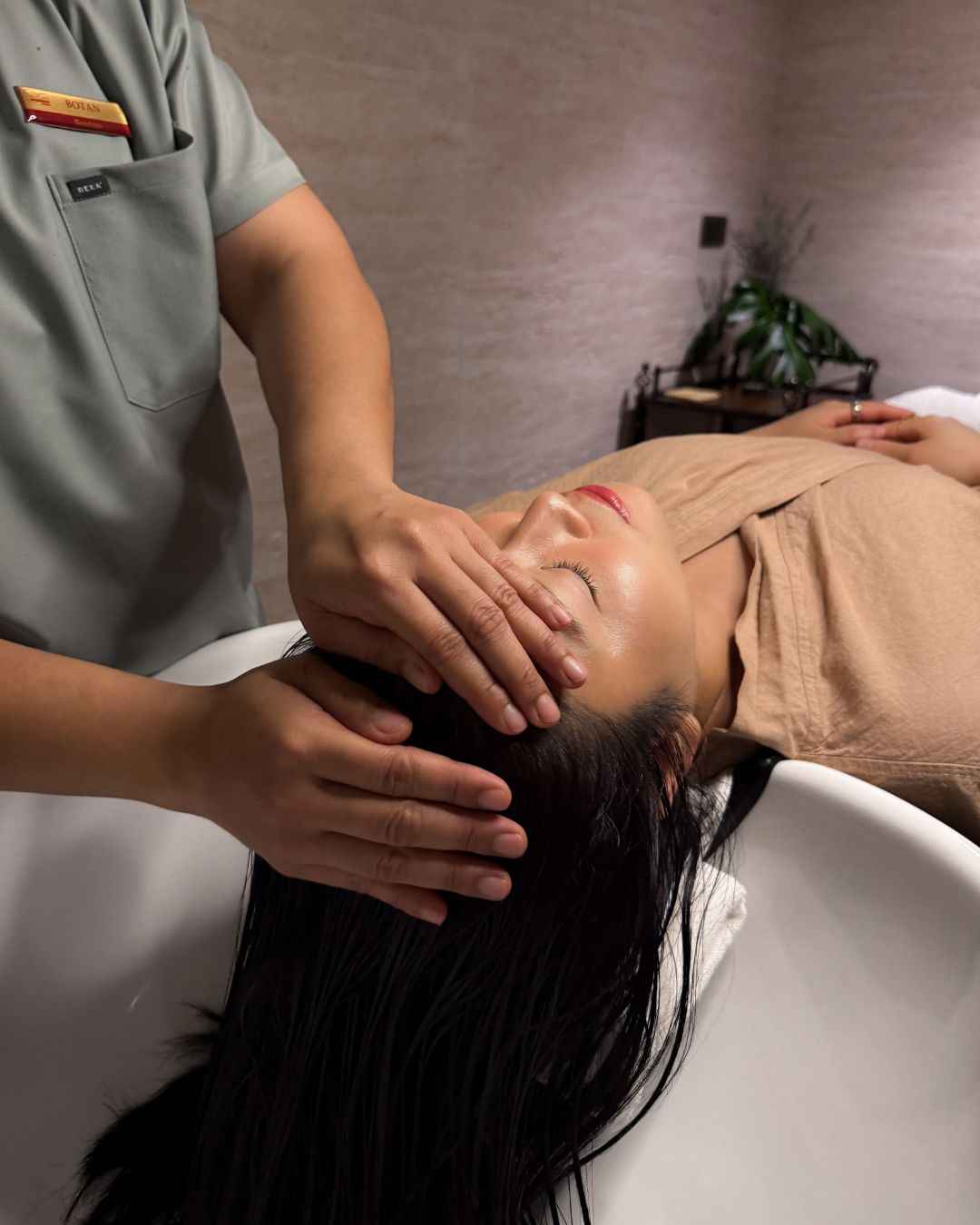 Migraine Relief
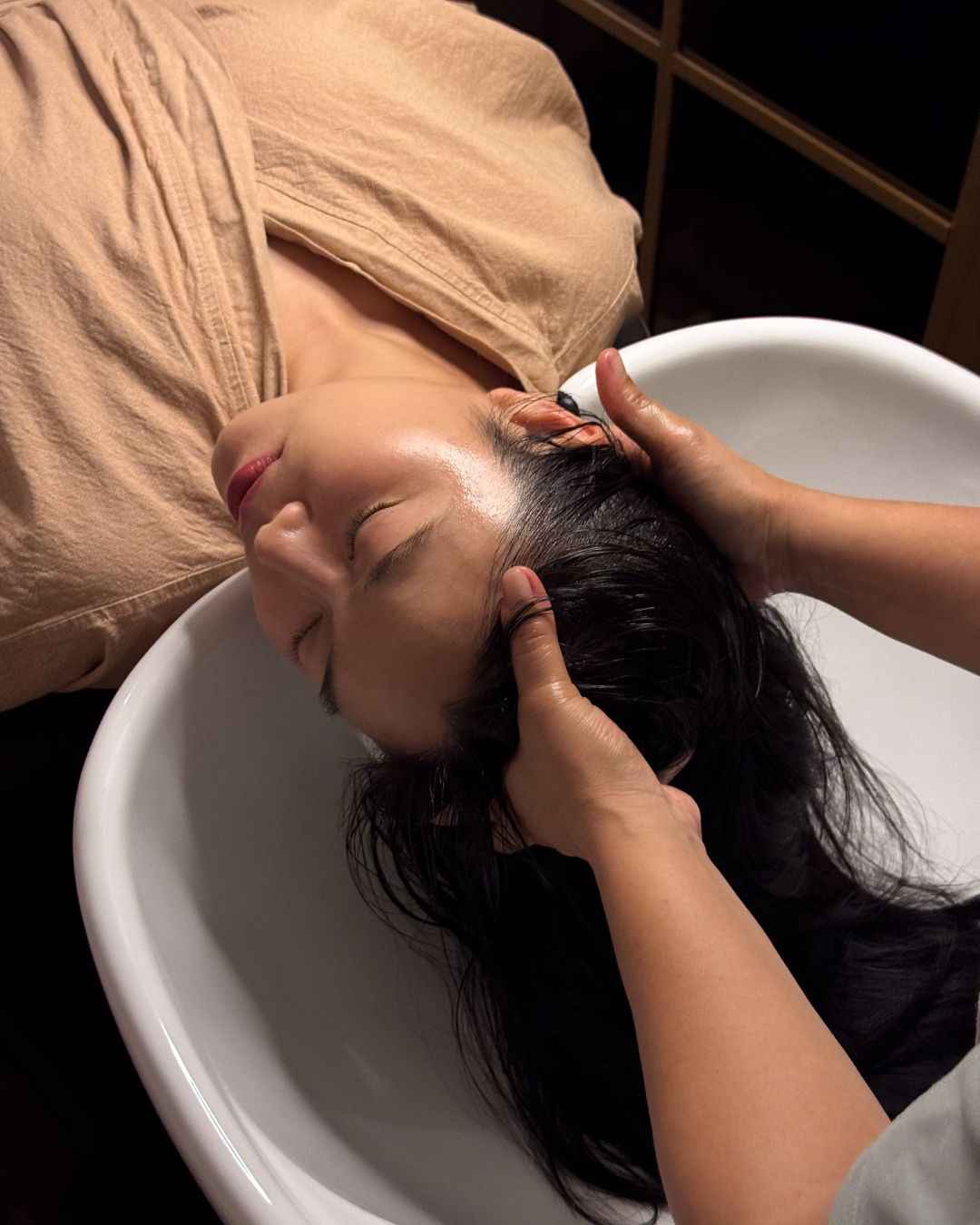
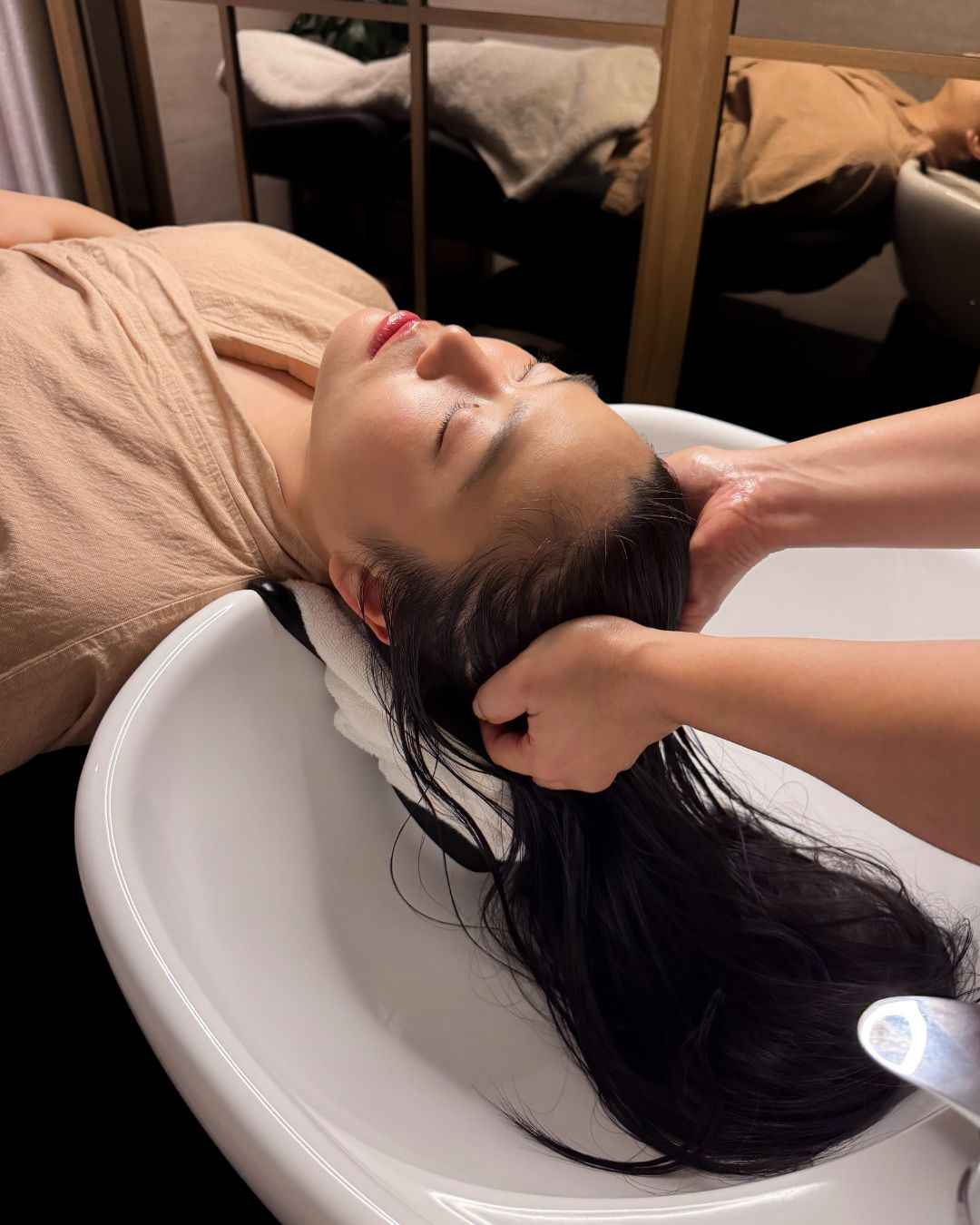
@takecare_beauty Indian-style head massage at Take Care Salon of Beauty helps relieve migraine headaches — leave your stress and worries behind in this room. #headmassage #indianstylemassage #indianheadmassage #takecarebeauty ♬ Original sound - Take Care Salon Of Beauty
Sukhumvit Massage Prices — Full Price List for Back-Pain Relief Programs
Quick summary: massage prices at Take Care Salon of Beauty start from THB 400 (30-minute foot or shoulder massage) up to THB 3,400 (120-minute Sport Massage), available across all our Sukhumvit-area branches — Sukhumvit 19, Sukhumvit 35, and Thonglor — making us a convenient choice if you're searching for back pain massage near Sukhumvit, Bangkok. Below is the full price list for every program, so you can compare and choose the one that best fits your back pain.
Best for back pain caused by accumulated stress and shoulder tension
| Program | Duration | Price |
|---|---|---|
| Rose Your Day Aroma Oil Massage | 60 min | THB 1,600 |
| Rose Your Day Aroma Oil MassagePopular | 90 min | THB 2,400 |
| Rose Your Day Aroma Oil Massage | 120 min | THB 3,200 |
Boosts circulation and relaxes muscles before your massage
| Program | Duration | Price |
|---|---|---|
| Rose Your Day Honey Almond Scrub | 60 min | THB 1,800 |
| Spa Body Scrub | 60 min | THB 1,800 |
| Herbal Steam | 30 min | THB 700 |
Multiple treatments bundled into a single package — better value than booking separately
| Program | Duration | Price |
|---|---|---|
| Herbal Steam & Body Scrub | 90 min | THB 2,200 |
| Rose Your Day Body Scrub & Oil MassagePopular | 120 min | THB 3,200 |
Our core programs for chronic back pain caused by muscle inflammation, as discussed throughout this article
| Program | Duration | Price |
|---|---|---|
| Indian Head Massage | 30 min | THB 650 |
| Indian Head Massage | 60 min | THB 1,200 |
| Sport Massage | 60 min | THB 1,800 |
| Sport MassagePopular | 90 min | THB 2,500 |
| Sport Massage | 120 min | THB 3,400 |
| Shoulder Massage | 30 min | THB 400 |
| Shoulder Massage | 60 min | THB 700 |
| Foot Massage | 30 min | THB 400 |
| Foot Massage | 60 min | THB 700 |
Nourishes hands and feet — a great add-on after your massage
| Program | Duration | Price |
|---|---|---|
| Paraffin Hand & Feet | - | THB 1,200 |
| Paraffin Hand | - | THB 600 |
| Paraffin Feet | - | THB 700 |
*The prices above are our standard rates across all branches and may be updated or adjusted with periodic promotions. Please check the latest prices or ask about current monthly promotions via LINE or by phone before booking.
Frequently Asked Questions About Chronic Back Pain
The most common questions clients ask us before booking a therapeutic massage.
Targeted Care for Chronic Back Pain at Take Care Salon of Beauty
Everyone's back pain has a different root cause, which is why an initial assessment before choosing a massage type is key to getting real results. Our therapists are ready to evaluate your symptoms and recommend the program that's right for you — whether it's Sport Massage to release trigger points, Foot/Shoulder Massage, Herbal Steam, Aroma Oil Massage, or Indian Head Massage. See our full list of services at takecarebeauty.com/massage and Sukhumvit massage & spa
Don't let chronic back pain keep disrupting your daily life.
Book a muscle-relaxing massage with our specialists at Take Care Salon of Beauty today.
Add LINE to book: Take Care Salon of Beauty
Or call our main booking line: 02-026-6431
8 Bangkok Branches to Choose From
| Branch | Phone | Map |
|---|---|---|
| EmQuartier | 02-475-1500 | View Map |
| Siam Paragon | 02-610-7771 | View Map |
| Sukhumvit 35 | 02-258-7543 | View Map |
| Sukhumvit 19 | 02-255-8862 | View Map |
| Silom Complex | 02-231-3391 | View Map |
| Fashion Island | 02-947-5591 | View Map |
| Market Place Thonglor | 02-712-6751 | View Map |
| One Man Club Sukhumvit 35 (Men Only) | 02-034-3267 | View Map |
- NIH Task Force on Research Standards for Chronic Low Back Pain, cited in The Back Pain Consortium (BACPAC) Research Program — ncbi.nlm.nih.gov/pmc/articles/PMC10403298
- Back Pain in the United States, NCBI Bookshelf — ncbi.nlm.nih.gov/books/NBK586768
- World Health Organization, cited in ReActiv8 Clinical Study Protocol — clinicaltrials.gov (NCT02577354)
- Chronic Low Back Pain in Young Adults: Pathophysiological Aspects, medRxiv — medrxiv.org/content/10.1101/2025.05.17.25327838
- Myofascial Pain Syndrome, Cleveland Clinic — my.clevelandclinic.org/health/diseases/12054
- Myofascial Pain Syndrome, Mayo Clinic — mayoclinic.org/myofascial-pain-syndrome
- Etiology of Myofascial Trigger Points, NCBI PMC — ncbi.nlm.nih.gov/pmc/articles/PMC3440564
- Is Your Upper Back Pain a Sign of Cancer?, Cleveland Clinic — health.clevelandclinic.org/is-upper-back-pain-a-sign-of-cancer
- Diagnostic Utility of Red Flags for Detecting Spinal Malignancies in Patients with Low Back Pain: A Scoping Review, MDPI — mdpi.com/2077-0383/14/20/7174
- Red Flags in Spinal Conditions, Physiopedia — physio-pedia.com/Red_Flags_in_Spinal_Conditions
- Warning Signs (Red Flags) for Specific Spinal Causes of Low Back Pain, Deutsches Ärzteblatt International, NCBI PMC — pmc.ncbi.nlm.nih.gov/articles/PMC4857557
- Massage for Low-back Pain: A Systematic Review, Cochrane Collaboration Back Review Group, PubMed — pubmed.ncbi.nlm.nih.gov/12221356
- Massage for Low-Back Pain, Cochrane Library (Furlan et al., 2015) — cochranelibrary.com/cdsr/doi/10.1002/14651858.CD001929.pub3
This article is provided for general informational purposes only and is not a substitute for diagnosis or advice from a qualified medical professional. If your back pain is accompanied by any of the warning signs listed above, please consult a doctor before pursuing massage or any other treatment.

Leave a Reply